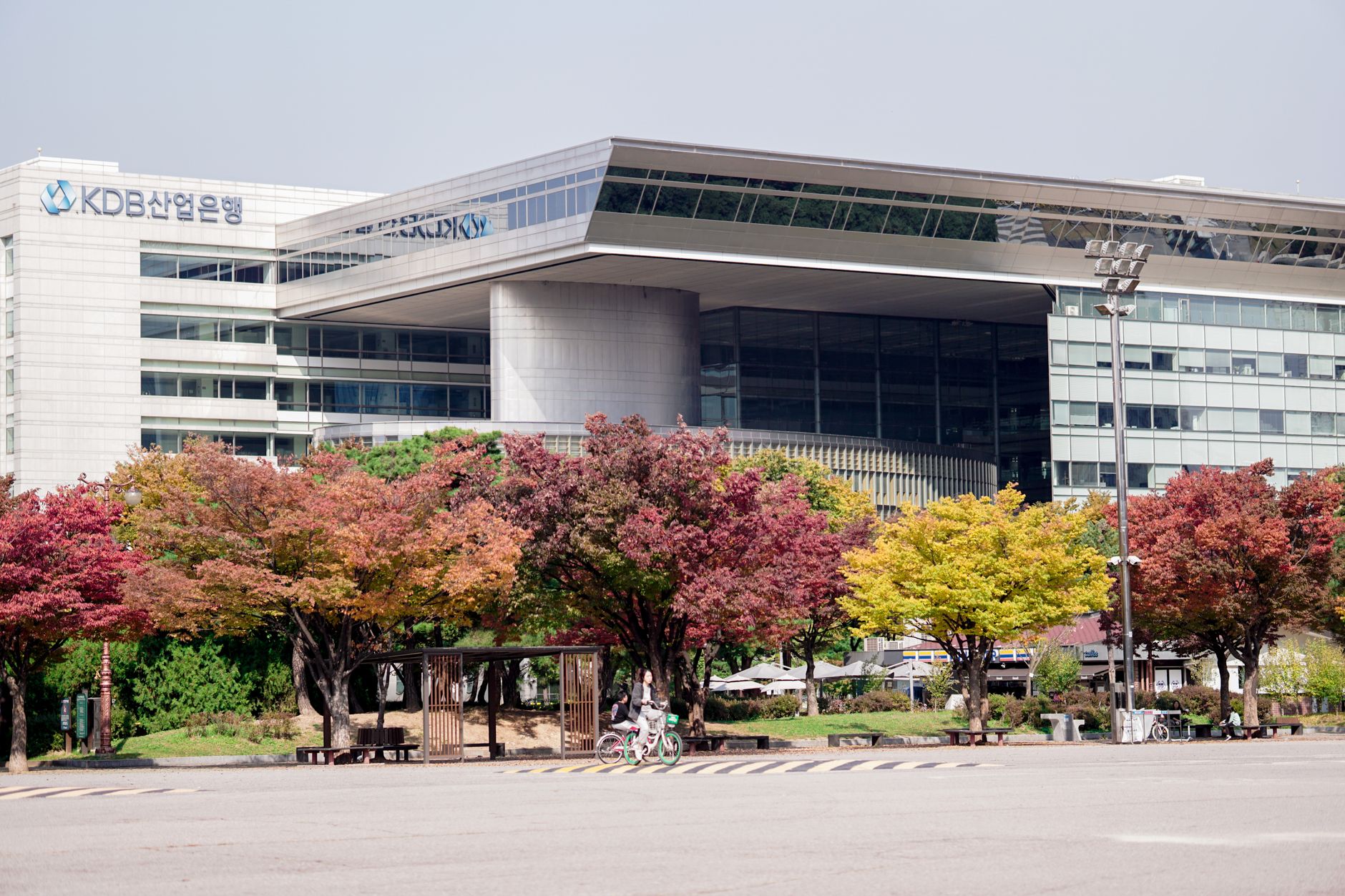
South Korea chip buildout is gaining momentum as four U.S. firms pledge $2 billion to support the initiative, signaling strong investment in the tech sector.
Overview of the South Korea Chip Buildout
The South Korea chip buildout is gaining significant momentum, with various stakeholders recognizing its potential as a proven investment opportunity. Recently, four major U.S. firms committed a remarkable $2 billion to support this initiative, highlighting the international interest in South Korea’s semiconductor industry.
As the global demand for chips continues to rise, South Korea is positioning itself as a critical player in the supply chain. The government is actively promoting investments in advanced technologies and infrastructure to ensure the country’s competitiveness in the semiconductor market.
Key factors driving the South Korea chip buildout include:
- Government Support: Significant financial incentives and policies aimed at attracting foreign investment.
- Technological Advancements: Ongoing research in next-generation chips to meet diverse industry needs.
- Strategic Partnerships: Collaborations between local companies and international firms to bolster production capabilities.
This collaborative effort is expected to solidify South Korea’s position as a semiconductor powerhouse in the coming years.
Investment Details from U.S. Firms
In a significant move to support the South Korea chip buildout, four prominent U.S. firms have committed a total of $2 billion in investments. This financial backing highlights the growing confidence in South Korea’s semiconductor sector, which is poised for substantial growth in the coming years.
The investment details from these firms reveal a strategic approach to tapping into South Korea’s technological advancements. Key areas of focus include:
- Research and Development: Enhanced funding for innovative chip technologies.
- Manufacturing Facilities: Expansion of existing plants to increase production capacity.
- Collaborative Partnerships: Establishing alliances with local companies to foster growth.
- Sustainability Initiatives: Investments aimed at reducing the environmental impact of chip production.
These commitments not only underline the importance of the South Korea chip buildout for global supply chains but also signal a robust partnership between U.S. and South Korean firms in the semiconductor industry.
Impact on the Global Chip Market
The South Korea chip buildout is poised to significantly reshape the global semiconductor landscape. As major U.S. firms invest heavily in this initiative, the ripple effects are expected to be felt worldwide.
Key impacts include:
- Increased production capacity: With enhanced facilities, South Korea aims to become a leading hub for chip manufacturing, addressing the growing global demand.
- Technological advancements: Investments will likely lead to innovations in semiconductor technologies, enabling faster and more efficient chips.
- Competitive dynamics: This buildout may challenge existing players in the market, potentially altering supply chain dependencies and pricing structures.
As these developments unfold, countries that rely on semiconductor imports from South Korea may need to adapt their strategies. The ramifications of this chip buildout could ultimately redefine industry standards and foster new collaborations across the tech sector.
Future of Semiconductor Manufacturing
The future of semiconductor manufacturing in South Korea is poised for significant transformation, driven by substantial investments and technological advancements. As the South Korea chip buildout progresses, the nation is becoming a critical player in the global semiconductor landscape. This strategic initiative not only aims to enhance local production capabilities but also seeks to reduce reliance on foreign suppliers.
Several factors contribute to this optimistic outlook:
- Government Support: The South Korean government is actively promoting policies that bolster the semiconductor industry, providing incentives for research and development.
- Collaboration with U.S. Firms: Partnerships with leading U.S. technology companies are fostering innovation and knowledge transfer.
- Investment in Talent: There is a focused effort on developing a skilled workforce that can drive future advancements in semiconductor technologies.
As South Korea solidifies its position in the semiconductor sector, the implications for both the domestic economy and global markets are profound.
Challenges Facing the Chip Industry
The South Korea chip buildout presents significant opportunities, yet it also faces several challenges that could impact its success. Industry experts highlight the following key obstacles:
- Supply Chain Disruptions: The ongoing global supply chain issues have created delays and increased costs for semiconductor manufacturers.
- Technological Competition: South Korea must contend with fierce competition from other nations, particularly China and the United States, which are also investing heavily in chip production.
- Regulatory Hurdles: Stricter regulations concerning environmental impact and labor laws may slow down the construction and operation of new facilities.
- Skilled Labor Shortage: A lack of qualified engineers and technicians could hinder the rapid expansion needed to meet global demands.
- Market Volatility: Fluctuations in demand for semiconductors may affect profitability and investment returns.
Addressing these challenges is crucial for ensuring the long-term viability of the South Korea chip buildout and its role in the global semiconductor landscape.
Photo by Naufal Shidqi on Pexels