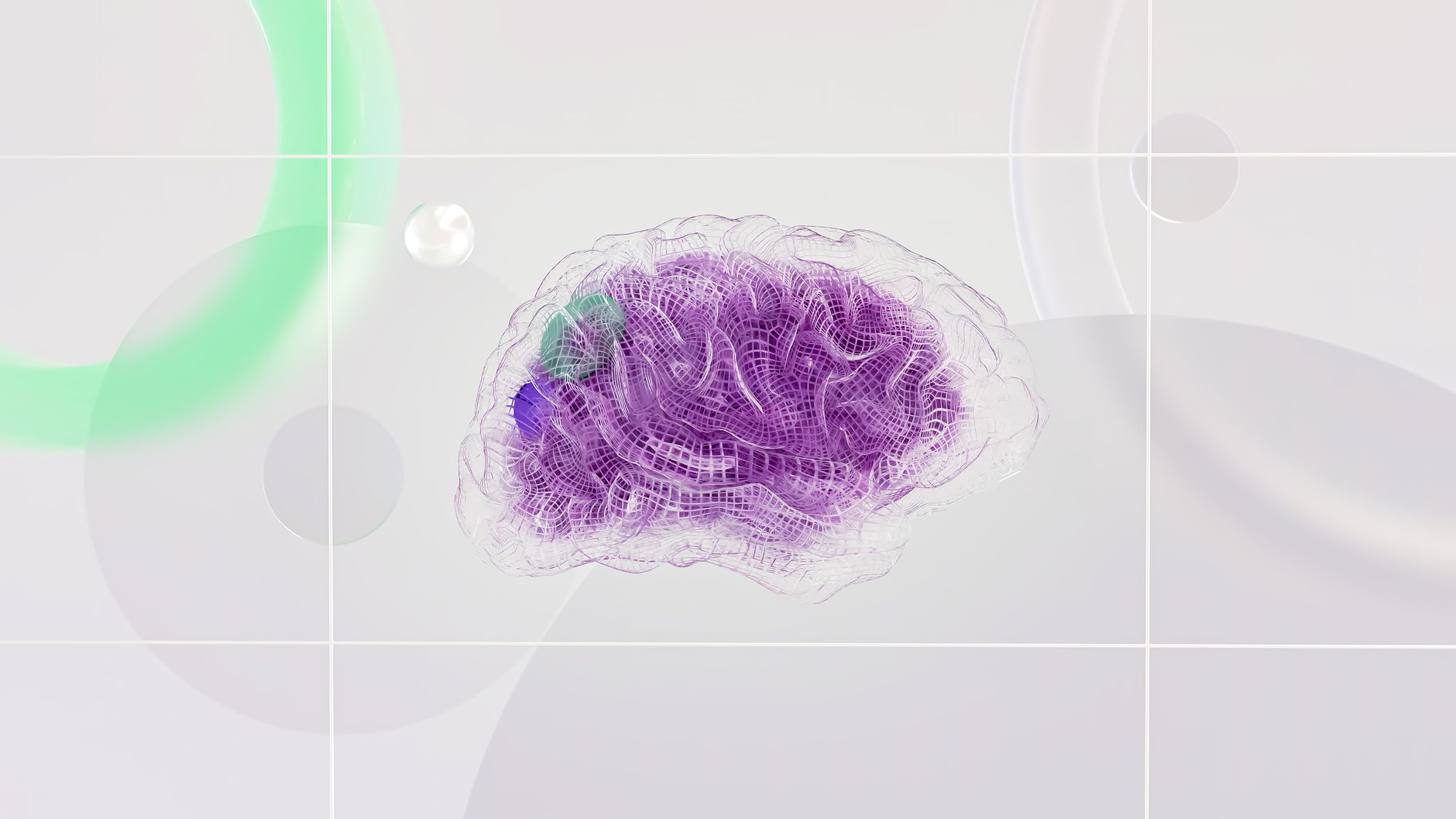
fruit fly brain simulation is changing the way we view gaming and science. This innovative project showcases how complex biological systems can be modeled in a virtual environment, providing unique insights and educational opportunities.
What is Fruit Fly Brain Simulation?
The concept of fruit fly brain simulation has gained attention in recent years as scientists strive to understand the complexities of the nervous system. Researchers have developed sophisticated models that replicate the neural circuitry of the fruit fly, a creature known for its simplicity yet intriguing behaviors. By simulating its brain, scientists can explore how various neural pathways influence decision-making and sensory processing.
This innovative approach has found an unexpected platform: Minecraft. The popular video game has been utilized to create a virtual environment where the simulated brain of a fruit fly can interact with its surroundings. This unique combination of biology and gaming offers a novel way for researchers to visualize and manipulate the brain’s functions, allowing them to test hypotheses in real-time.
Among the potential benefits of this simulation are:
- Enhanced understanding of neural networks
- Insights into behavior and learning processes
- Opportunities for educational engagement in neuroscience
The integration of fruit fly brain simulation within Minecraft demonstrates the versatility of modern technology, enabling researchers to combine scientific inquiry with creative exploration.
How Does It Work in Minecraft?
The innovative use of fruit fly brain simulation within Minecraft has opened new avenues for exploring artificial intelligence and neural networks. This integration allows players to interact with a virtual representation of the fruit fly’s brain, creating a unique learning environment.
When players engage with this simulation, they experience a series of interactive tasks that mimic the decision-making processes of fruit flies. The system operates through a complex network of algorithms designed to replicate the neural pathways found in the actual brain of a fruit fly.
Key features of the simulation include:
- Real-time responses: The simulation reacts to player inputs, mirroring the way fruit flies respond to stimuli in their natural habitat.
- Learning capabilities: The fruit fly brain adapts and evolves based on interactions, showcasing behavioral changes akin to real-world learning.
- Research applications: This Minecraft innovation provides researchers with a platform to test hypotheses about brain functions and behavioral patterns.
Ultimately, the fruit fly brain simulation in Minecraft represents a fascinating fusion of gaming and scientific inquiry, pushing the boundaries of both fields in unexpected ways.
Benefits of Simulating Biological Systems
Simulating biological systems like the fruit fly brain offers numerous benefits, particularly in the realm of education and research. By creating a virtual environment within Minecraft, scientists can explore complex neural processes in a more interactive and engaging way. This innovative approach can significantly enhance understanding among students and researchers alike.
Some key benefits of simulating biological systems include:
- Enhanced Learning: Students can grasp intricate concepts more effectively through immersive experiences, making it easier to understand the complexities of neuroscience.
- Real-Time Experimentation: Researchers can conduct experiments and observe outcomes instantly, allowing for rapid iteration and discovery.
- Accessibility: The simulation provides access to advanced biological studies without the need for expensive laboratory equipment, making it available to a wider audience.
- Collaborative Opportunities: By utilizing platforms like Minecraft, researchers can collaborate across disciplines and share findings in a more communal setting.
As the field of neuroscience continues to evolve, tools like the fruit fly brain simulation in Minecraft stand to revolutionize how we study and understand complex biological systems, paving the way for future innovations in both education and research.
The Future of Gaming and Science
The intersection of gaming and scientific innovation is rapidly evolving, and the fruit fly brain simulation is at the forefront of this transformation. As developers continue to enhance virtual environments, the implications for both gaming and research are profound.
One of the most exciting prospects is the potential for educational tools that can arise from such simulations. By integrating complex biological systems into popular gaming platforms like Minecraft, players can engage in a hands-on learning experience. This not only makes science accessible but also encourages curiosity in young minds.
Moreover, the insights gained from simulating the fruit fly brain can lead to breakthroughs in understanding neural networks and behavior, significantly impacting fields such as neurology and artificial intelligence. As researchers analyze the simulated outcomes, they can refine their knowledge and develop more intricate models.
The future of gaming is not just about entertainment; it is also about creating interactive platforms that foster scientific inquiry. By embracing innovations like the fruit fly brain simulation, developers can contribute to a new era where gaming serves a dual purpose: fun and education.
As we look ahead, the fusion of gaming and science holds the promise of reshaping how we learn about and interact with the natural world.
Community Reactions to the Simulation
The introduction of the fruit fly brain simulation within Minecraft has sparked a wave of reactions from the gaming community and the scientific realm. Many players express excitement about the innovative blend of biology and gaming, seeing it as a leap forward in how educational concepts can be integrated into popular games.
In forums and social media, users have shared their thoughts on the implications of this simulation:
- Educational Value: Several educators noted that the fruit fly brain simulation could serve as an engaging tool for teaching neuroscience concepts to students in a fun and interactive way.
- Game Mechanics: Some players are thrilled about the new gameplay possibilities, suggesting that incorporating real biological systems will enhance strategy and decision-making in the game.
- Ethical Considerations: Conversely, a segment of the community raised concerns about the ethical implications of simulating living systems, questioning how closely the game mirrors real biological processes.
- Future Innovations: Many are eager to see what other biological simulations might be introduced, envisioning a future where games can educate and entertain simultaneously.
Overall, the fruit fly brain simulation has ignited discussions, highlighting the intersection of gaming and science.
Photo by Google DeepMind on Pexels