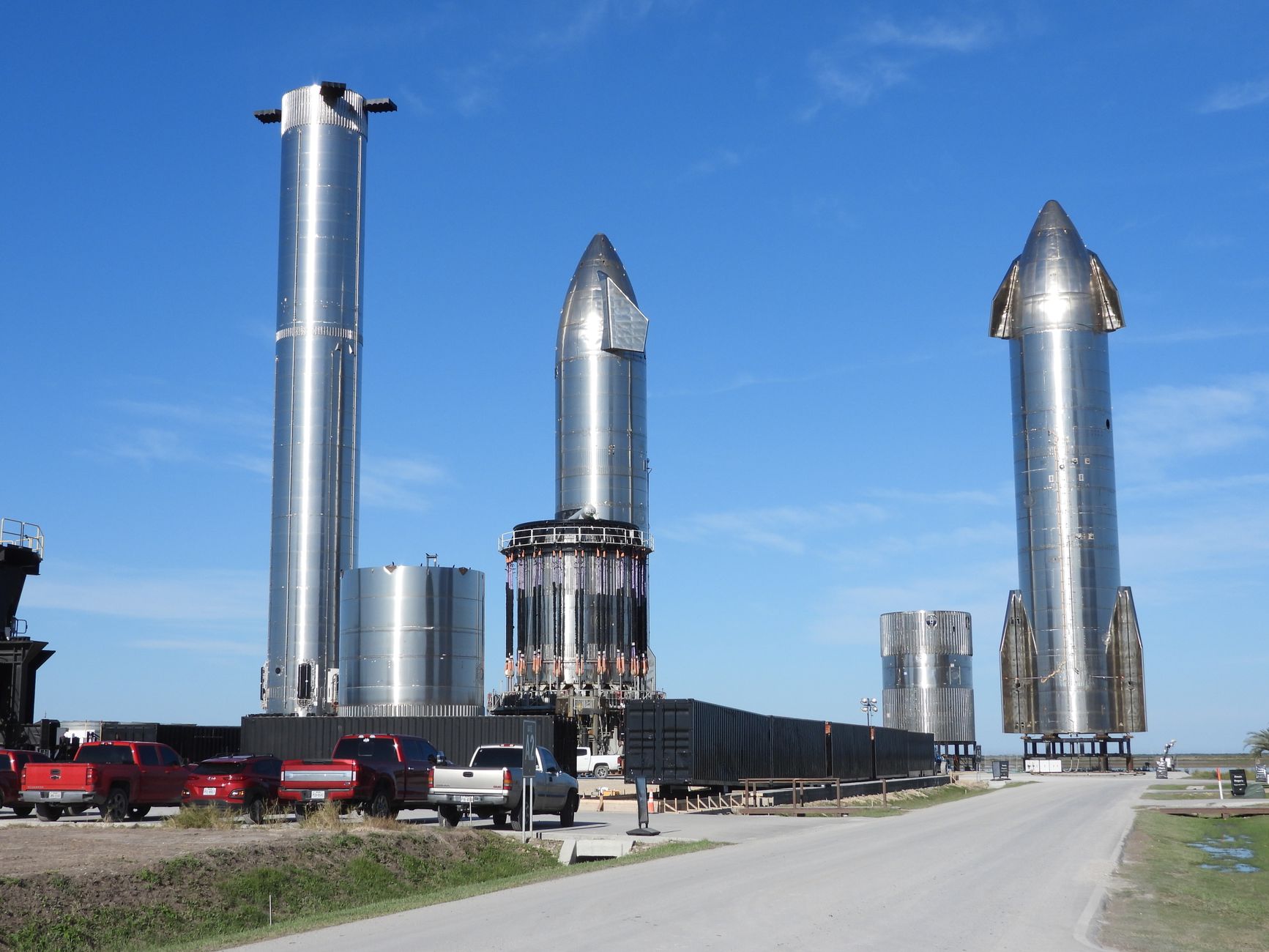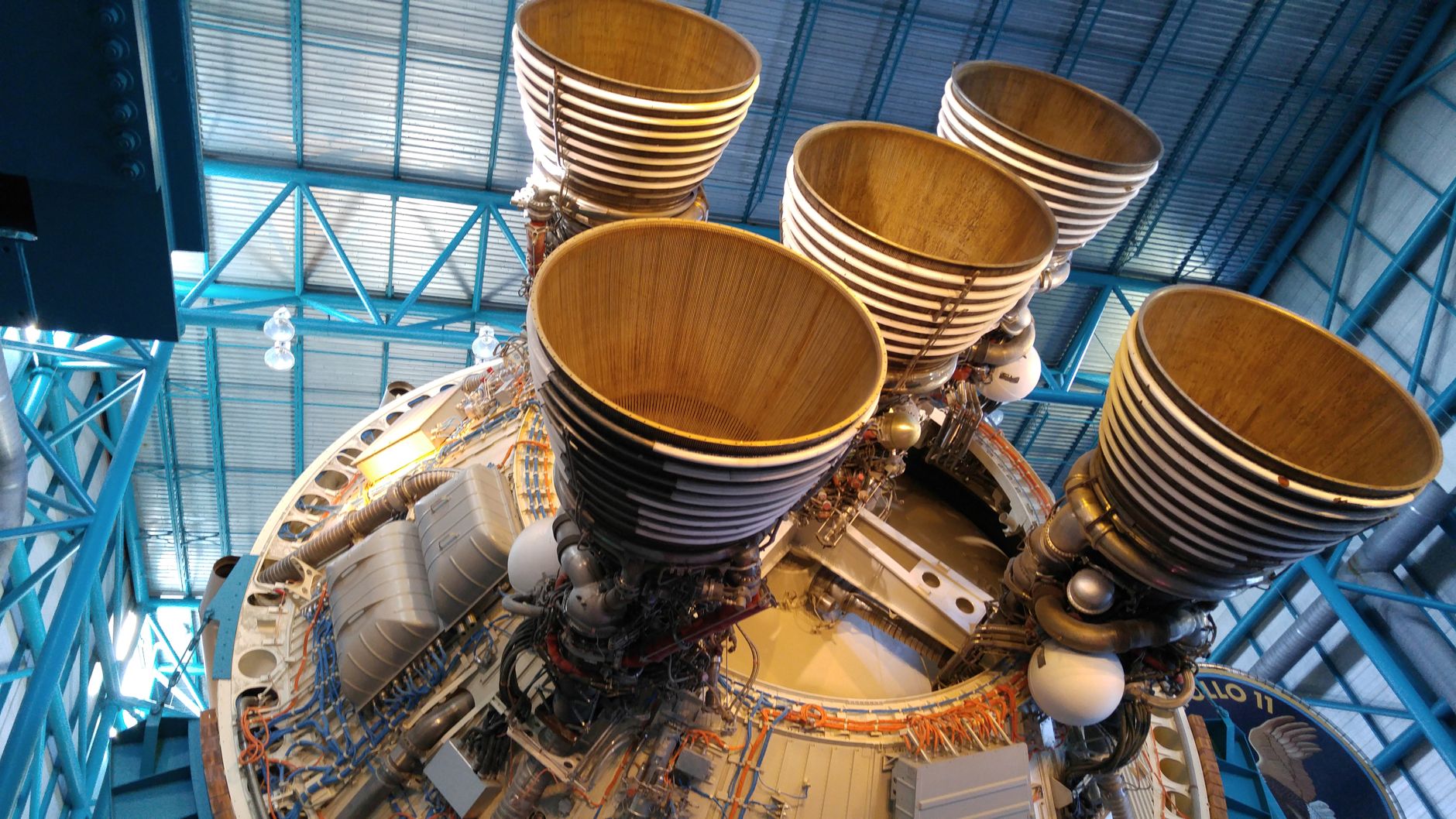
Powerful rockets are essential for space exploration and have played a crucial role in advancing our understanding of the universe. In this article, we explore five of the most powerful rockets ever launched.
The Evolution of Rocket Technology
The journey of rocket technology has been marked by remarkable advancements and innovations, leading to the development of some of the most powerful rockets in history. From early experiments in the mid-20th century to today’s cutting-edge designs, the evolution has been significant.
Initially, rockets were limited in their capabilities, but breakthroughs in engineering and materials science have allowed for greater thrust and efficiency. The introduction of liquid propellants revolutionized the field, enabling rockets to achieve higher altitudes and heavier payloads.
Today, several powerful rockets stand out for their impressive performance:
- Saturn V: The most powerful rocket ever successfully launched, used during the Apollo missions.
- Space Shuttle: A reusable spacecraft that combined solid and liquid fuel for powerful launches.
- Falcon Heavy: Known for its capacity to carry large payloads to orbit.
- SLS (Space Launch System): NASA’s next-generation rocket designed for deep space missions.
The ongoing development of powerful rockets promises exciting opportunities for space exploration in the future.
Top 5 Most Powerful Rockets
As technology advances, powerful rockets have played a crucial role in space exploration. Here are the top 5 most powerful rockets ever launched:
- SLS (Space Launch System) – NASA’s latest rocket, designed to carry astronauts to the Moon and beyond, boasts a remarkable lift capacity.
- Falcon Heavy – Developed by SpaceX, this rocket is known for its impressive payload capabilities, making it a favorite for commercial missions.
- Saturn V – The iconic rocket that took humans to the Moon during the Apollo missions remains one of the most powerful rockets in history.
- Ariane 5 – A staple of the European space program, the Ariane 5 is renowned for its reliability and ability to carry heavy satellites.
- Delta IV Heavy – With a strong track record in launching national security payloads, this rocket exemplifies power and performance.
These powerful rockets not only symbolize human innovation but also pave the way for future exploration of our universe.
How Rockets Impact Space Missions
The impact of powerful rockets on space missions cannot be overstated. These technological marvels have transformed our ability to explore beyond Earth, enabling missions that were once considered impossible.
With the capability to carry heavy payloads and reach distant destinations, powerful rockets have played a crucial role in various aspects of space exploration, including:
- Satellite Deployment: Powerful rockets launch satellites into orbit, which are essential for communication, weather forecasting, and navigation.
- Interplanetary Missions: They facilitate ambitious missions to other planets, such as Mars rovers and Voyager probes, expanding our understanding of the solar system.
- Human Spaceflight: Manned missions to the International Space Station (ISS) and beyond rely on the strength and reliability of powerful rockets.
- Scientific Research: Rockets carry instruments and experiments to study cosmic phenomena, contributing to advancements in space science.
As technology continues to advance, the importance of powerful rockets in shaping the future of space exploration remains paramount.
The Future of Rocket Launches
The future of rocket launches is poised for significant transformation as advancements in technology continue to emerge. As space exploration gains momentum, the demand for powerful rockets that can deliver payloads efficiently and reliably is more crucial than ever.
Innovative designs and reusable technology are at the forefront of this evolution. Companies like SpaceX and Blue Origin are leading the charge, developing rockets that not only reduce costs but also enhance sustainability in space travel. These advances allow for more frequent launches and greater access to space.
Moreover, international collaboration is becoming increasingly important. Various space agencies are partnering to share knowledge and resources, which can accelerate the development of next-generation rockets. As we look ahead, the integration of artificial intelligence and automation in rocketry is expected to further optimize launch processes.
In summary, the future of rocket launches is bright, with powerful rockets paving the way for new missions and discoveries beyond our planet.
Comparing Rocket Power and Efficiency
When evaluating the power and efficiency of rockets, several key factors come into play. Thrust, which refers to the force generated by the rocket engines, is crucial in determining how quickly and effectively a rocket can ascend through the atmosphere. Additionally, specific impulse, a measure of fuel efficiency, highlights how much thrust is produced per unit of propellant consumed.
In the realm of powerful rockets, the balance between thrust and efficiency is essential for successful missions. Many rockets are designed to maximize these attributes, allowing them to carry heavier payloads and reach greater altitudes. The choice of fuel also plays a significant role; different propellants can yield varying levels of energy and efficiency.
Moreover, advancements in engineering and technology have enabled the development of reusable rocket stages, which drastically improve overall efficiency and reduce costs. As the space industry continues to evolve, understanding these dynamics will be vital for future missions and innovations.
Photo by John McQ on Pexels
Read the original
POCO X9 Pro leak: The Best Phones You Can’t Miss in 2027 · Reliance Industries: The Smart Response to Elon Musk’s Criticism · Oppo A58 launch: The Best New Phone with Proven Features