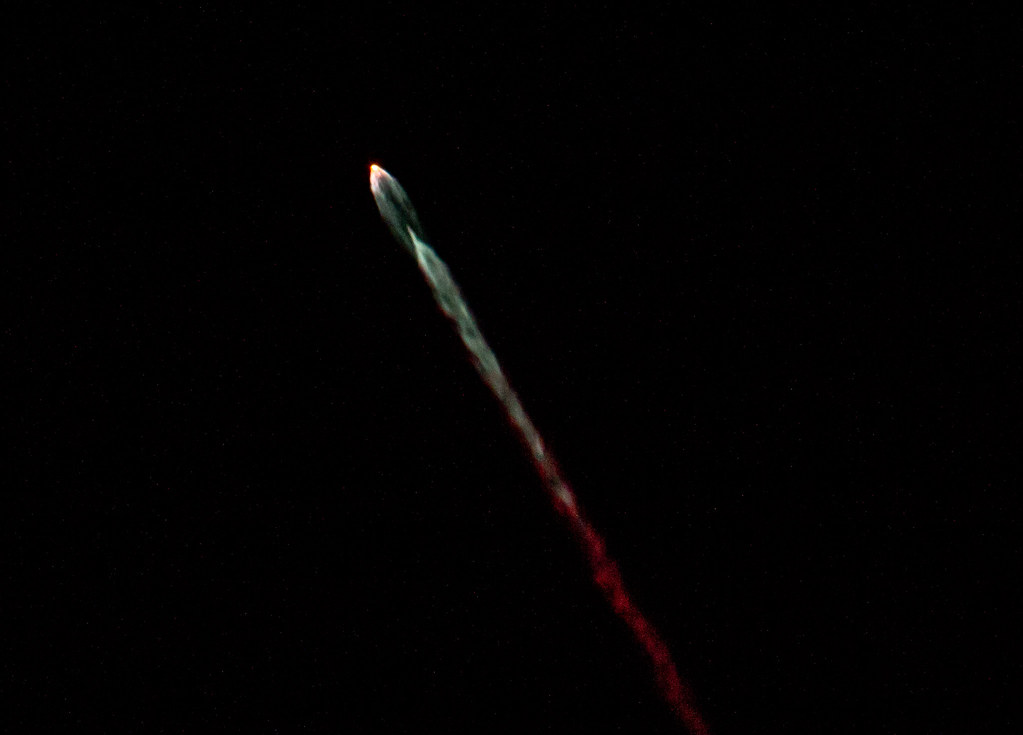
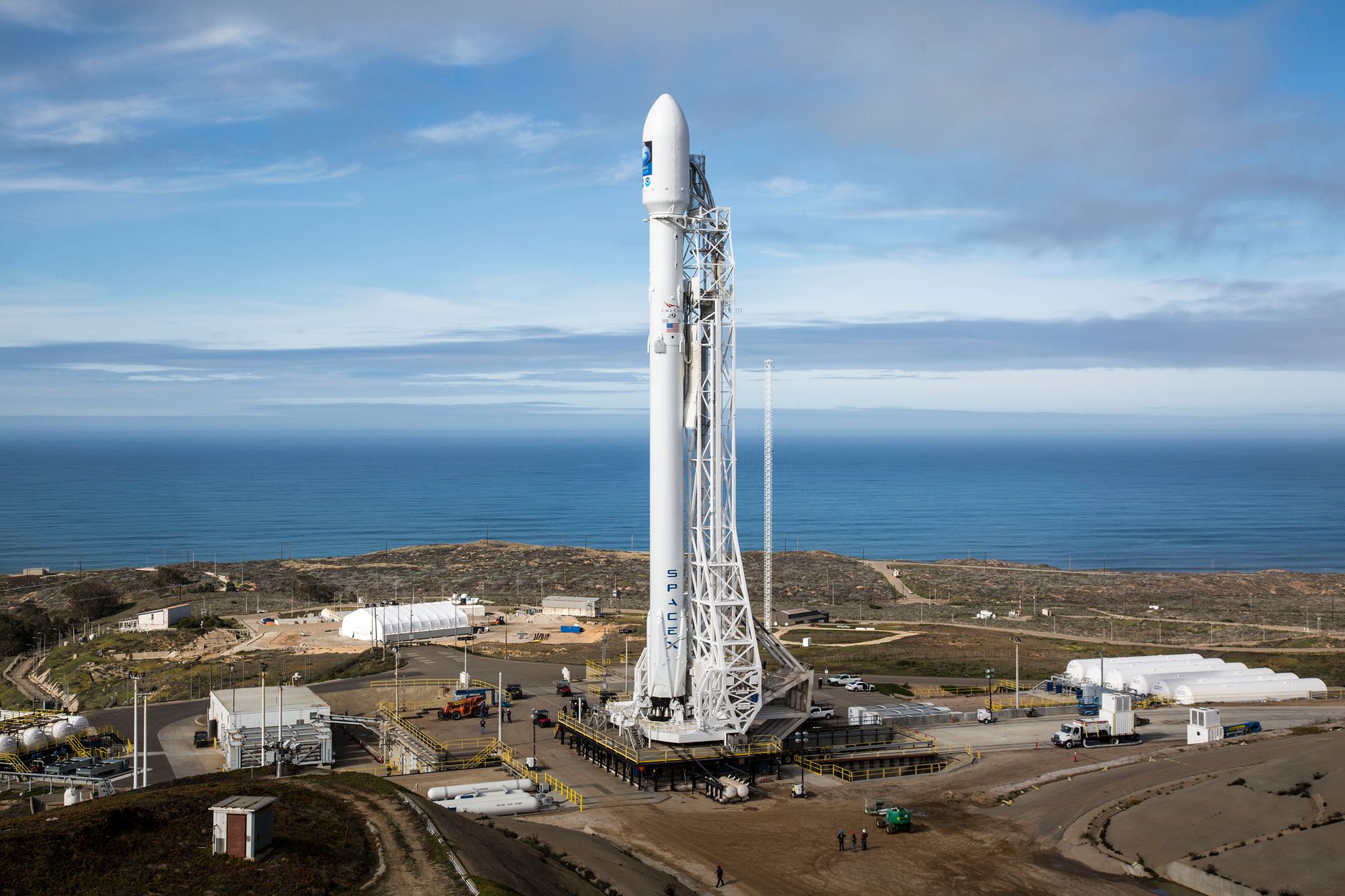
double Starship rocket catch is a groundbreaking initiative by SpaceX, as they prepare for their next test launch. This ambitious attempt is set to redefine rocket recovery methods.
What is the Double Starship Rocket Catch?
The double Starship rocket catch is an ambitious maneuver that SpaceX plans to implement during its upcoming test launch. This innovative approach aims to enhance the efficiency and safety of rocket recovery operations, a critical aspect of reusable spaceflight technology.
In essence, the double catch involves two booster rockets simultaneously landing and being captured by specialized ground equipment. This technique is designed to streamline the recovery process, allowing for quicker turnaround times between launches.
According to Elon Musk, the CEO of SpaceX, this technique is not just a technical challenge but a significant leap toward making space travel more accessible and sustainable. The company has been working tirelessly to refine its technology, with the hope that successful execution of the double Starship rocket catch will pave the way for future missions.
With the launch date approaching, excitement is building among space enthusiasts and industry experts alike, all eager to witness this groundbreaking attempt to redefine rocket recovery methods.
Elon Musk’s Vision for SpaceX
Elon Musk’s vision for SpaceX has always been ambitious, aiming to revolutionize space travel and make humanity a multi-planetary species. With the upcoming double Starship rocket catch, Musk is pushing the boundaries of aerospace technology and innovation. This unprecedented maneuver involves catching two rockets simultaneously, an attempt that could redefine how future space missions are conducted.
Musk has expressed that success in this endeavor could lead to substantial cost reductions in launching payloads into orbit. The double Starship rocket catch is not merely a technical challenge but also a crucial step towards achieving faster turnaround times for space transportation.
In a recent statement, Musk highlighted the importance of reusability in spaceflight, emphasizing that each successful catch could pave the way for more sustainable space exploration. As the world eagerly awaits the test launch, the implications of this bold new attempt extend beyond just SpaceX, potentially influencing the entire aerospace industry.
With each milestone, Musk and his team continue to inspire a new generation of engineers and dreamers, fueling the excitement surrounding the future of exploration beyond Earth.
Previous Starship Launches and Recoveries
SpaceX has been on a remarkable journey with its Starship program, marked by various launches and recoveries that have paved the way for innovation in space travel. The company’s previous attempts have seen a mix of successes and challenges, with each mission contributing valuable data to enhance future endeavors.
One of the most notable achievements was the successful recovery of the Starship SN15 prototype, which demonstrated the potential for safe landings and reusability. However, earlier models faced significant hurdles, including explosions during landing attempts, which highlighted the need for more robust engineering solutions.
In the lead-up to the upcoming attempt at a double Starship rocket catch, SpaceX has meticulously analyzed past missions. The aim is to synchronize the landings of two rockets, a feat never before accomplished in the aerospace industry. This bold new approach not only represents a significant technological milestone but also aligns with Elon Musk’s vision of making space travel more sustainable and cost-effective.
As SpaceX prepares for this unprecedented test, industry experts are closely monitoring the developments, eager to see how this innovative strategy unfolds.
Challenges Facing the Double Catch Attempt
SpaceX’s ambitious goal of achieving a double Starship rocket catch presents several notable challenges that the team must overcome. One of the primary difficulties lies in the precise timing and coordination required for the simultaneous landing of two rockets. This maneuver demands exceptional accuracy in flight paths, landing speeds, and angles to ensure both vehicles land safely without colliding.
Additionally, the engineering of the catch system itself poses hurdles. The technology must be robust enough to handle the weight and dynamics of the rockets during the catch, all while maintaining structural integrity. There is also the risk of environmental factors, such as wind and weather conditions, which could impact the landing.
Furthermore, SpaceX must consider the operational logistics of recovering two rockets at once. This includes recovery vessel positioning and potential delays or complications that could arise during the mission. Despite these challenges, the double Starship rocket catch represents a significant step forward for SpaceX and its vision for reusable space travel, pushing the boundaries of what is possible in aerospace engineering.
The Future of SpaceX and Rocket Technology
As SpaceX sets its sights on the future of rocket technology, the upcoming double Starship rocket catch represents a pivotal moment for the company. By successfully retrieving two rockets simultaneously, SpaceX aims to revolutionize the economics of space travel, making it more efficient and sustainable.
The double Starship rocket catch could drastically reduce the costs associated with launching payloads into orbit. Elon Musk envisions a future where reusable rockets become the norm, allowing for more frequent launches and accelerated exploration of space.
Industry experts believe that if this ambitious attempt succeeds, it will not only enhance SpaceX’s reputation but also inspire other companies to invest in similar technologies. Innovation in rocket recovery methods could open doors for new missions and scientific discoveries, pushing the boundaries of what is possible in aerospace engineering.
As the countdown to the next test launch begins, all eyes are on SpaceX, eagerly awaiting the moment when the double Starship rocket catch could change the trajectory of space exploration forever.