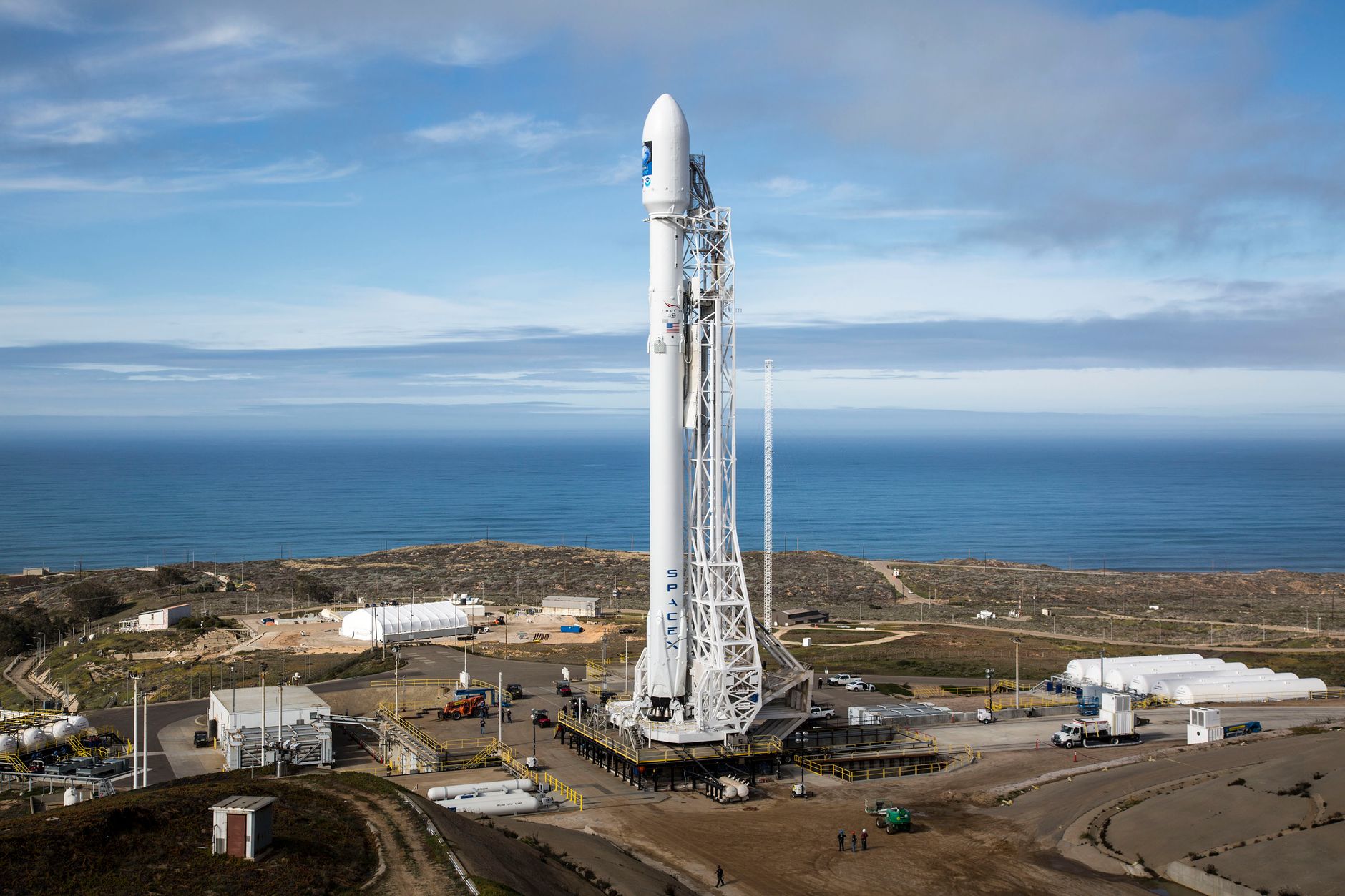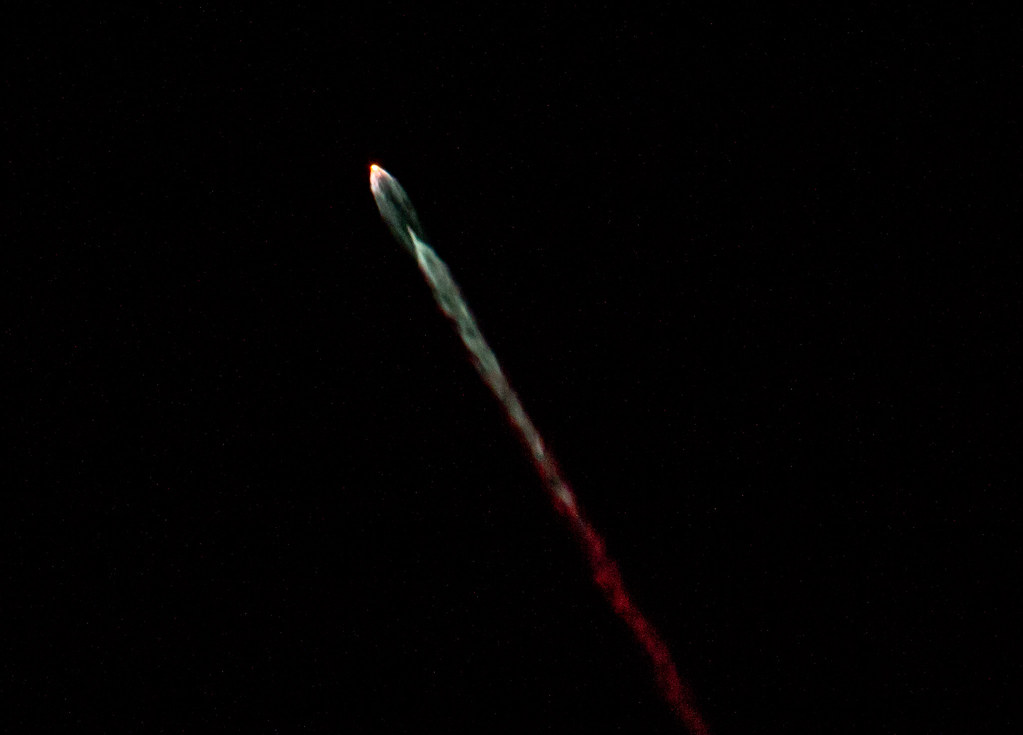
SpaceX Falcon 9 launch marked another milestone in space exploration. The recent mission successfully delivered the Dragon spacecraft to the International Space Station before returning safely to Earth.
Overview of the SpaceX Falcon 9 launch
The recent SpaceX Falcon 9 launch marked another significant milestone in space exploration, successfully delivering the Crew-13 mission to the International Space Station (ISS). This mission showcased the reliability and efficiency of SpaceX’s Falcon 9 rocket, a vehicle known for its proven track record in crewed and cargo missions.
On launch day, the Falcon 9 rocket lifted off from the Kennedy Space Center, carrying the Dragon spacecraft with four astronauts onboard. The mission was pivotal, as it continued to support the ongoing partnership between NASA and SpaceX. Following the successful launch, the Falcon 9’s first stage made a remarkable return to Earth, landing safely on the autonomous drone ship in the Atlantic Ocean.
Throughout the mission, several key aspects were highlighted:
- Launch Preparation: Extensive checks and simulations ensured all systems were go for liftoff.
- Launch Sequence: The countdown proceeded smoothly, with all critical systems functioning as expected.
- Separation and Landing: The successful separation of the Dragon spacecraft and the first stage landing demonstrated the vehicle’s advanced technology.
The success of the SpaceX Falcon 9 launch not only reinforces the capabilities of modern space travel but also paves the way for future missions aimed at further exploration and scientific research in low Earth orbit.
Key mission objectives for Crew-13
The SpaceX Falcon 9 launch for the Crew-13 mission had several key objectives that aimed to enhance the International Space Station (ISS) operations and support ongoing scientific research.
- Transportation of Crew Members: One of the primary objectives was to transport four astronauts to the ISS, including NASA’s Mark T. Vande Hei, European Space Agency’s Matthias Maurer, and Japanese Aerospace Exploration Agency’s Akihiko Hoshide. Their safe travel to the station is crucial for maintaining human presence in space.
- Scientific Research: The Crew-13 mission was designed to support a variety of scientific experiments that are essential for understanding life in microgravity. This includes research on human health, materials science, and technology demonstrations.
- International Collaboration: The launch also aimed to strengthen international partnerships in space exploration. By involving astronauts from different countries, SpaceX continues to promote collaborative efforts in addressing challenges in space.
- Post-Launch Operations: After the Falcon 9 launch, successful recovery of the rocket’s first stage was another critical objective, demonstrating SpaceX’s commitment to reusability and cost-efficiency in future missions.
Overall, these objectives highlight the importance of the SpaceX Falcon 9 launch in advancing human exploration and scientific discovery aboard the ISS.
SpaceX’s achievements in space travel
SpaceX has revolutionized space travel with its innovative approaches and remarkable achievements. The SpaceX Falcon 9 launch has proven to be a pivotal part of this journey, showcasing both reliability and efficiency.
Since its inception, SpaceX has consistently pushed the boundaries of what is possible in the aerospace industry. Some of the notable achievements include:
- First privately-funded spacecraft: SpaceX’s Falcon 1 became the first privately developed liquid-fueled rocket to reach orbit in 2008.
- Reusable rocket technology: The successful recovery and reuse of the Falcon 9 first stage has significantly reduced the cost of access to space, making it a game changer for future missions.
- Crewed missions to the ISS: SpaceX has successfully transported astronauts to the International Space Station (ISS) multiple times, demonstrating its capability in crewed spaceflight.
- Commercial satellite launches: The Falcon 9 has launched numerous commercial satellites, establishing SpaceX as a leader in the satellite launch market.
Through these achievements, SpaceX continues to contribute to the future of space exploration, paving the way for missions that could one day take humanity to Mars and beyond. The Falcon 9 launch is not just a milestone but a testament to innovation and dedication in the field of aerospace.
Impact of the Dragon spacecraft on ISS
The Dragon spacecraft has significantly impacted the International Space Station (ISS) since its initial missions. With the latest SpaceX Falcon 9 launch, the Crew-13 mission marks another step forward in maintaining a continuous human presence aboard the ISS.
Since its first flight, the Dragon spacecraft has been instrumental in delivering both cargo and crew to the ISS. This reusable spacecraft not only reduces costs but also enhances the frequency of missions, allowing for more scientific research and international collaboration in space.
- Improved Reliability: The Dragon has proven its reliability over multiple missions, making it a trusted vehicle for transporting astronauts.
- Increased Cargo Capacity: With each launch, the Dragon can carry significant amounts of supplies, equipment, and experiments, benefiting the ongoing research at the ISS.
- Technological Advancements: The evolution of the Dragon spacecraft has included new features that improve safety and efficiency, reflecting SpaceX’s commitment to innovation.
As the Dragon spacecraft continues to support ISS operations, it fosters a greater understanding of space and allows researchers to conduct experiments that can lead to breakthroughs in various fields. The recent SpaceX Falcon 9 launch not only underscores the capabilities of the Dragon but also showcases the future potential of commercial space travel.
Future missions planned by SpaceX
As SpaceX continues to innovate and expand its capabilities, several future missions are on the horizon, building on the success of the Falcon 9 launch. The company has outlined an ambitious schedule that includes both crewed and uncrewed missions to the International Space Station (ISS), reflecting its commitment to sustainability and redundancy in space travel.
Upcoming missions include:
- Commercial Crew Program: SpaceX plans to conduct additional crewed missions under NASA’s Commercial Crew Program, with Crew-14 and Crew-15 already in the pipeline. These missions aim to rotate astronauts on the ISS, ensuring continuous human presence and scientific research.
- Cargo Resupply Missions: The next CRS-3 mission is set to resupply the ISS with scientific instruments, supplies, and equipment, further demonstrating the reliability of the Falcon 9 launch system.
- Starlink Deployment: SpaceX is ramping up its Starlink satellite deployments, which will involve multiple launches using the Falcon 9 to enhance global internet coverage.
With each mission, SpaceX not only solidifies its position as a leader in space exploration but also sets the stage for future endeavors, including the ambitious goal of sending humans to Mars. The Falcon 9 launch remains a critical component of these aspirations.
The SpaceX Falcon 9 launch has consistently demonstrated its reliability and efficiency in transporting cargo to the International Space Station. With each successful mission, the SpaceX Falcon 9 launch solidifies its reputation as a cornerstone of modern space exploration.
By Kevin M. Gill via Openverse