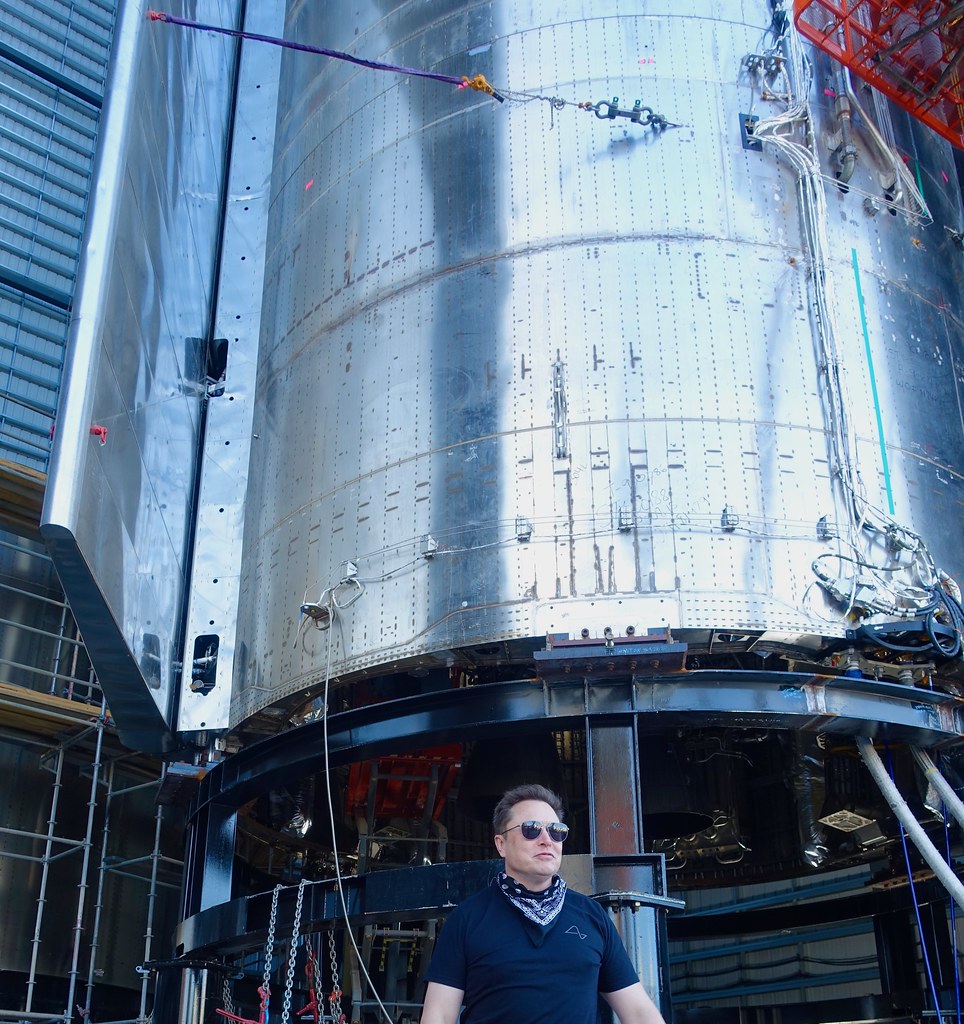
SpaceX Starship flight test has successfully completed its first orbital mission, marking a significant milestone in space exploration.
Overview of the SpaceX Starship flight test
The recent SpaceX Starship flight test marked a significant milestone in the company’s pursuit of interplanetary travel. This flight not only demonstrated the capabilities of the Starship vehicle but also provided valuable data for future missions.
During the test, the Starship launched successfully from its Texas facility, reaching orbit before executing a series of complex maneuvers. Key highlights of the flight include:
- Launch: The rocket lifted off flawlessly, showcasing the impressive thrust generated by its Raptor engines.
- Orbit Achievement: For the first time, Starship completed a full orbital trajectory, a feat that had been eagerly anticipated by engineers and enthusiasts alike.
- Descent and Splashdown: After completing its mission, Starship re-entered the Earth’s atmosphere and splashed down in the ocean, demonstrating its ability to safely return from high altitudes.
SpaceX’s successful flight test has reignited excitement within the aerospace community, with many looking forward to the potential applications of Starship for future lunar and Mars missions. The results from this test are expected to influence the design and technology of upcoming launches.
Key milestones achieved during the mission
During the recent SpaceX Starship flight test, several key milestones were achieved, showcasing the capabilities of this groundbreaking spacecraft. These successes mark significant progress in SpaceX’s ongoing mission to revolutionize space travel.
- Launch Countdown: The mission commenced with a successful launch countdown, culminating in a liftoff that demonstrated the robust performance of the Super Heavy booster.
- Orbital Insertion: Starship reached its designated orbital trajectory, a critical achievement that sets the stage for future interplanetary missions.
- Payload Deployment: The test included the deployment of a payload into orbit, confirming the spacecraft’s capabilities for carrying cargo and crew in the future.
- Reentry and Splashdown: After completing its flight path, Starship executed a controlled reentry and splashed down safely, validating the spacecraft’s aerodynamics and thermal protection systems.
- Data Collection: Throughout the flight, comprehensive data was collected, providing valuable insights into the spacecraft’s performance and areas for improvement.
These milestones not only affirm the viability of the SpaceX Starship flight test but also pave the way for the next phase of exploration beyond Earth.
Technical details of the Starship design
The SpaceX Starship design incorporates several groundbreaking technologies aimed at revolutionizing space travel. The spacecraft is primarily constructed from a unique stainless steel alloy, enabling it to withstand extreme temperatures during launch and re-entry. This material not only provides durability but also reflects heat, contributing to thermal protection.
One of the standout features of the Starship is its Raptor engines. These engines utilize liquid methane and liquid oxygen as propellants, offering higher efficiency compared to traditional rocket fuels. The ability to refuel in orbit using in-situ resources from the Moon or Mars is a significant advantage for future missions.
The Starship is also designed for rapid reusability, which is crucial for reducing the cost of access to space. SpaceX aims to have the vehicle ready for multiple flights within a short timeframe, making it a game-changer in the aerospace industry.
In addition, the spacecraft boasts a spacious interior capable of accommodating up to 100 passengers, making it suitable for missions ranging from satellite launches to crewed flights to Mars. The recent SpaceX Starship flight test showcased these innovations, solidifying its role as a leader in the new era of space exploration.
Future missions planned for SpaceX
As SpaceX celebrates the success of its Starship flight test, the company is already looking ahead to future missions that promise to further revolutionize space travel. With the data gathered from the recent test, SpaceX aims to refine its technology and enhance the Starship’s capabilities.
The upcoming missions will focus on several key objectives:
- Interplanetary Travel: SpaceX plans to leverage the Starship’s capabilities for missions to Mars and beyond, paving the way for human exploration of other planets.
- Satellite Deployment: The Starship will be utilized for launching large constellations of satellites, enhancing global internet coverage and connectivity.
- Space Tourism: With a successful flight test under its belt, SpaceX aims to offer commercial space travel opportunities to private individuals and researchers.
- International Partnerships: SpaceX is looking to collaborate with space agencies across the globe, offering the Starship for various scientific missions and research projects.
As these plans materialize, SpaceX continues to demonstrate its commitment to pushing the boundaries of space exploration and making it accessible to a wider audience.
Reactions from the aerospace community
The recent SpaceX Starship flight test has garnered a variety of reactions from the aerospace community, underscoring its significance in the field of space exploration. Experts and enthusiasts alike have expressed their excitement over the mission’s success, which marks a pivotal moment in the journey toward interplanetary travel.
Notable figures in the aerospace industry have taken to social media and public forums to share their thoughts. Many praised SpaceX for its innovative approach and commitment to pushing the boundaries of what is possible. Dr. Emily Carter, a prominent aerospace engineer, stated, “The SpaceX Starship flight test showcases the potential of reusable spacecraft and could revolutionize space travel.”
Meanwhile, industry analysts have commented on the implications for future missions. John Thompson, a space policy expert, emphasized, “This successful test is not just a triumph for SpaceX, but a significant step forward for the entire aerospace sector.”
In addition, enthusiasts celebrated the event as a milestone that could inspire the next generation of engineers and scientists. “Seeing Starship in action fuels my passion for space exploration,” shared a young student at a recent aerospace conference.
Challenges faced during the flight test
Despite the overall success of the SpaceX Starship flight test, several challenges emerged throughout the mission that tested the limits of the spacecraft and its systems.
- Weather Conditions: Unfavorable weather conditions threatened to delay the launch. High winds and unpredictable atmospheric changes posed risks that could have jeopardized the mission timeline.
- Technical Glitches: During the countdown, engineers encountered minor technical glitches that required swift resolution. These issues, while not catastrophic, highlighted the complexities involved in launching a vehicle of such scale.
- Communication Delays: There were moments during the flight when communication delays were experienced, impacting real-time data transmission. This added an extra layer of stress for the team monitoring the flight.
- Landing Challenges: Although the test concluded successfully, the landing phase was particularly challenging. The Starship had to navigate complex aerodynamic forces, which necessitated precise control and adjustments to ensure a safe splashdown.
These challenges not only tested SpaceX’s engineering capabilities but also provided valuable lessons that will inform future iterations of the Starship program and upcoming flight tests.
Impact on space travel and exploration
The successful SpaceX Starship flight test marks a significant milestone in the field of space travel and exploration, paving the way for future missions beyond Earth’s atmosphere. With its innovative design and capabilities, the Starship is set to revolutionize how humanity approaches space endeavors.
One of the primary impacts of this flight test is the potential for increased access to space. As launch costs decrease and reliability improves, more organizations will have the opportunity to conduct experiments and transport cargo to orbit. This democratization of space travel could lead to a surge in scientific research and technology development.
Furthermore, the mission highlights the importance of reusable spacecraft. By demonstrating the ability to recover and reuse components, SpaceX is addressing one of the most significant challenges in the aerospace industry: sustainability. This approach not only reduces costs but also minimizes waste, aligning with global environmental goals.
In addition to commercial applications, the successful flight test opens doors for future exploration missions, including potential manned missions to Mars and beyond. As interest in interplanetary travel grows, the advancements made through the Starship program will undoubtedly play a crucial role in humanity’s quest to explore the cosmos.
Conclusion and next steps for SpaceX
In conclusion, the recent SpaceX Starship flight test marks a significant milestone in the realm of space exploration. With its successful orbital flight and splashdown, SpaceX has demonstrated the viability of its ambitious plans for future missions. This achievement not only showcases the innovative technology behind the Starship but also solidifies SpaceX’s position as a leader in the aerospace industry.
As SpaceX moves forward, several next steps are on the horizon. The company plans to:
- Conduct further tests to refine the Starship design and improve safety measures.
- Engage with regulatory bodies to secure necessary approvals for upcoming missions.
- Expand collaboration with international space agencies and commercial partners.
Furthermore, the insights gained from this flight test will inform future iterations of the Starship, enhancing its capabilities for crewed missions to the Moon and Mars. SpaceX’s commitment to pushing the boundaries of space travel is evident, and the aerospace community is eager to witness the next chapter in this exciting journey.
As the world watches, the successful SpaceX Starship flight test stands as a testament to human ingenuity and the relentless pursuit of exploration.
The recent SpaceX Starship flight test has demonstrated the remarkable advancements in reusable rocket technology. With each successful launch, the SpaceX Starship flight test paves the way for future missions to the Moon and Mars.
By jurvetson via Openverse
References
Rural Radio Network · SpaceX Starship flight test
Related stories
Discord Game Mode: Proven Feature to Boost PC Performance · Oppo F35 5G Launch: Is It the Best Phone for You? · Old GPU Value: Worth More Than You Think with Proven Insights