SpaceX spaceship catch has successfully taken place, marking a significant milestone in space exploration. This achievement showcases advancements in technology and engineering that could redefine future missions.
What is the SpaceX spaceship catch?
The SpaceX spaceship catch refers to the innovative technique employed by SpaceX to recover its spacecraft after missions. This groundbreaking method was successfully demonstrated for the first time when SpaceX captured a descending spacecraft using a specialized landing system. The primary goal of this technique is to enhance sustainability in space travel by reducing the costs associated with building new spacecraft for each mission.
During the recent mission, the SpaceX team utilized a combination of advanced technology and precise calculations to achieve a successful catch. The process involves the deployment of a net system designed to ensnare the spacecraft as it descends through the atmosphere. This method not only minimizes the risk of damage but also allows for the potential reuse of the spacecraft in future missions.
Some key aspects of the SpaceX spaceship catch include:
- Precision Engineering: The technology behind the catch relies on intricate engineering and design to ensure accuracy during the recovery process.
- Cost Efficiency: By reusing spacecraft, SpaceX aims to significantly lower the expenses involved in space exploration.
- Environmental Impact: Reducing waste from discarded spacecraft supports more sustainable practices in the aerospace industry.
This successful demonstration paves the way for future missions, showcasing SpaceX’s commitment to innovation in space travel.
The significance of this achievement
The recent achievement of a SpaceX spaceship catch marks a pivotal moment in aerospace engineering and space exploration. This groundbreaking method not only demonstrates the potential for improved reusability of spacecraft but also paves the way for more sustainable missions in the future.
One of the key significances of this achievement lies in the reduction of costs associated with space travel. By successfully catching a returning spacecraft mid-air, SpaceX has set a precedent that could lead to:
- Decreased Launch Costs: The ability to recover and reuse spacecraft components can significantly lower the expenses of future missions.
- Increased Mission Frequency: With lower costs and quicker turnaround times, missions to the International Space Station and beyond could become more regular.
- Enhanced Safety: Catching a spaceship instead of allowing it to land in the ocean can minimize risks associated with recovery operations.
Moreover, this achievement exemplifies the innovation and determination within the aerospace industry. As SpaceX continues to refine its spaceship catch techniques, the implications could extend beyond commercial spaceflight, inspiring international collaborations and advancements in technology.
In summary, the SpaceX spaceship catch not only showcases engineering prowess but also symbolizes a significant leap toward the future of space exploration.
How SpaceX achieved the spaceship catch
SpaceX has achieved a remarkable milestone with its spaceship catch, showcasing innovative techniques that may redefine future space missions. The company utilized a combination of advanced engineering and strategic planning to ensure the success of this endeavor.
To execute the spaceship catch, SpaceX implemented several key methods:
- Precision Landing Technology: Utilizing cutting-edge navigation systems, the spaceship was able to pinpoint its landing trajectory with remarkable accuracy.
- Grid Fins: These aerodynamic surfaces helped control the descent of the spacecraft, allowing for precise adjustments as it approached the catch zone.
- Rapid Reusability: By focusing on reusing spacecraft components, SpaceX has minimized costs and increased the viability of future missions.
- Real-time Data Monitoring: Continuous feedback during the descent phase enabled engineers to make immediate adjustments to the landing approach, ensuring the catch was successful.
The culmination of these techniques resulted in a seamless operation, demonstrating SpaceX’s commitment to pioneering sustainable space travel. As the company looks to the future, this successful spaceship catch stands as a testament to their innovative spirit and engineering prowess, paving the way for more ambitious missions ahead.
Future implications for space missions
The successful execution of the SpaceX spaceship catch has far-reaching implications for future space missions. As the aerospace industry continues to evolve, the innovation showcased by SpaceX sets a precedent for reusable spacecraft technology. This breakthrough could revolutionize how missions are planned and executed, ultimately reducing costs and increasing accessibility to space.
Experts believe that the techniques developed during the spaceship catch will inspire further advancements in spacecraft recovery systems. Some potential future implications include:
- Cost Efficiency: By reusing spacecraft, companies can significantly lower the expenses associated with launching payloads into orbit.
- Increased Frequency of Launches: With a reliable recovery system, space missions can occur more frequently, allowing for more research and exploration opportunities.
- Enhanced Safety Measures: The methodologies employed in the spaceship catch can improve safety protocols for future crewed missions.
- Collaboration Opportunities: The techniques developed by SpaceX may pave the way for partnerships with other space agencies and commercial entities for shared missions.
As the industry looks ahead, the strategies employed in the SpaceX spaceship catch will likely serve as a foundation for innovations that could redefine our capabilities in space exploration and transportation.
Challenges faced during the process
The process of catching a SpaceX spaceship in mid-air has not been without its challenges. Engineers and astronauts faced several obstacles that required innovative solutions and thorough testing. One of the primary challenges was ensuring the precision of the catch mechanism, which relies heavily on real-time data and advanced robotics.
Among the key difficulties encountered were:
- Weather Conditions: Unpredictable weather patterns can significantly affect the performance of the catching apparatus. High winds and turbulent conditions required careful planning and adaptability.
- Technological Limitations: The technology used for the catch had to be rigorously tested to ensure it could handle the dynamic forces involved during re-entry and catching. This necessitated extensive simulations and prototype trials.
- Coordination and Timing: The success of a SpaceX spaceship catch hinges on the precise coordination between the spaceship’s descent trajectory and the catch mechanism’s activation. Any miscalculation could result in failure.
Moreover, the team also had to consider safety protocols to protect both the spacecraft and personnel involved in the operation. These challenges have paved the way for future advancements, as SpaceX continues to refine its techniques and approaches to space missions.
Expert opinions on the spaceship catch
Experts in the aerospace industry have expressed their views on the groundbreaking achievement of the SpaceX spaceship catch. Many emphasize that this method could revolutionize space travel and cargo retrieval.
Dr. Emily Tran, a leading aerospace engineer, noted, “The precision involved in the spaceship catch showcases SpaceX’s engineering capabilities. This success not only reduces costs but also increases the sustainability of future missions.”
Meanwhile, Professor James Roberts, an expert in space technology, highlighted the potential for reusability. “By effectively catching and reusing spaceships, SpaceX is paving the way for more ambitious missions beyond our planet,” he stated. “This method could enable quicker turnaround times between launches.”
Furthermore, Dr. Sarah Lopez, a space policy analyst, pointed out the implications for international collaboration. “With successful spaceship catches, we may see more countries and private entities joining forces to enhance space exploration,” she remarked. “The technique demonstrates how technological advancements can unite global efforts.”
As discussions continue among experts, the consensus is clear: the SpaceX spaceship catch is not just a technical achievement but a significant step towards a more sustainable and collaborative future in space exploration.
Comparing SpaceX’s catch to traditional methods
SpaceX’s innovative spaceship catch method marks a significant departure from traditional spacecraft recovery techniques. Historically, space missions have relied on parachute systems to guide capsules safely back to Earth. These systems, while effective, can be unpredictable and are often subject to the vagaries of weather conditions. In contrast, SpaceX’s approach utilizes a combination of controlled descent and precise maneuvering to catch the spacecraft mid-air using a specialized platform.
One key advantage of the spaceship catch is its potential for rapid reuse of spacecraft. Traditional methods require extensive refurbishment after each mission due to wear and tear from atmospheric reentry. SpaceX’s catch technique minimizes this damage, allowing for quicker turnaround times between launches. Additionally, this method reduces the need for extensive recovery operations, which can be both costly and time-consuming.
Moreover, the catch method can enhance safety, as it allows for more controlled landings away from populated areas. While traditional recovery often necessitates landing in open water or remote locations, the ability to catch a spacecraft in-flight could streamline operations and mitigate risks associated with recovery missions.
As SpaceX continues to refine its spaceship catch technique, it stands to revolutionize the future of space travel, paving the way for more efficient and sustainable exploration and commercial activities in outer space.
The recent success of the SpaceX spaceship catch has demonstrated the viability of innovative recovery techniques. As future missions approach, the lessons learned from the SpaceX spaceship catch will be invaluable for enhancing spacecraft reusability.
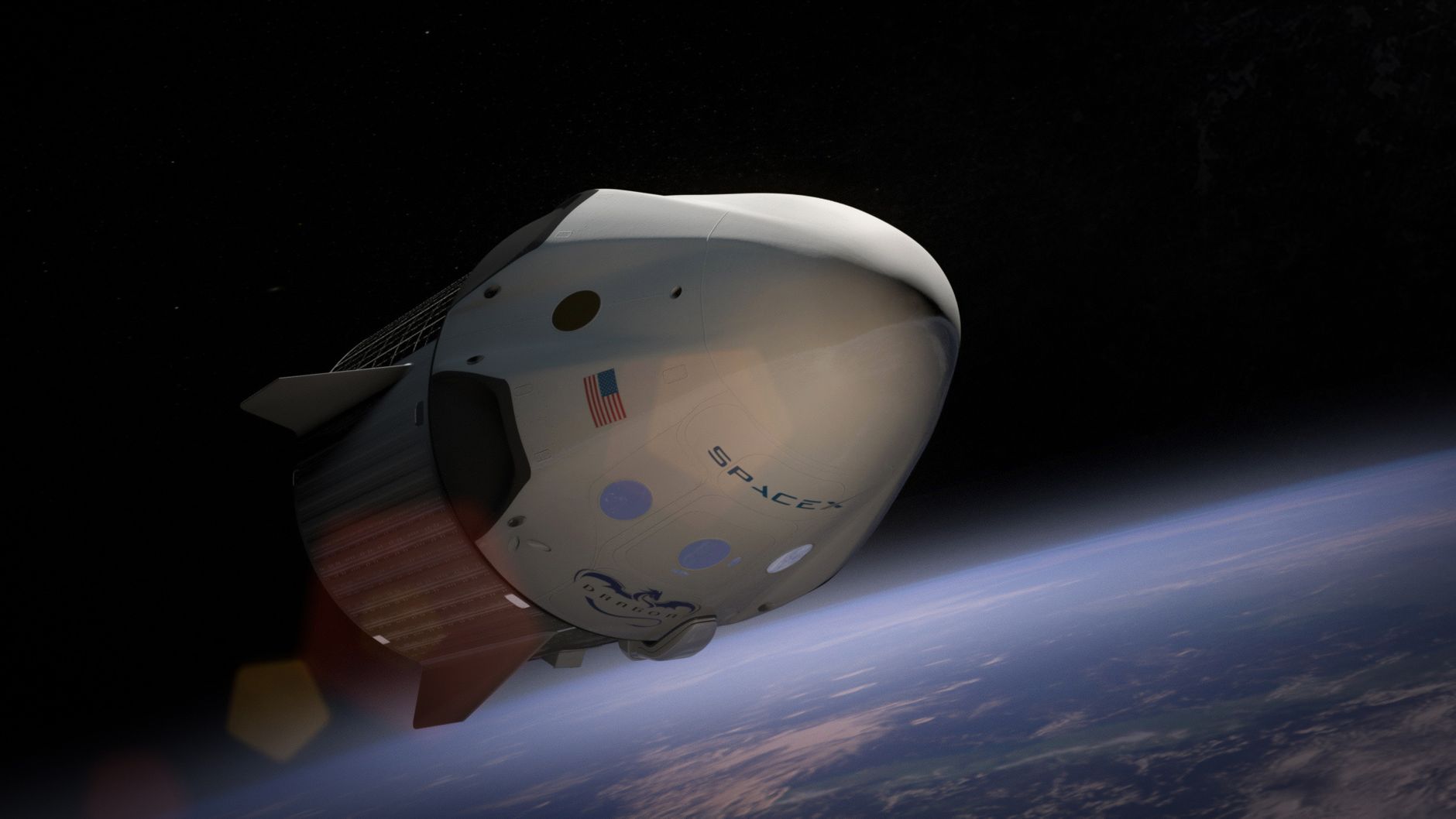
Photo by SpaceX on Pexels
References
Related stories
Vivo X500 Series prices: Worth the Hype Ahead of Launch · AI guidance for banks: Is it the Best Approach for Safety? · Xbox system update: Is the new navigation boost worth it?