Exams can be one of the most stressful parts of a student’s academic journey. The pressure to perform well, retain large amounts of information, and manage time effectively can create anxiety. Pedirayudas techniques offer structured and simplified strategies to reduce this pressure by helping students prepare more efficiently and maintain calm during the exam period. By using these tools wisely, learners can stay focused and confident.
Start Early with Organized Pedirayudas
One of the best ways to ease exam pressure is to begin preparing early. Pedirayudas techniques, such as visual organizers and categorized notes, make it easier to divide content into manageable sections. Creating a study schedule using a table or planner helps students allocate time to each subject or topic. Mind maps can offer a quick overview of what needs to be studied, helping avoid last-minute cramming, which often increases stress.
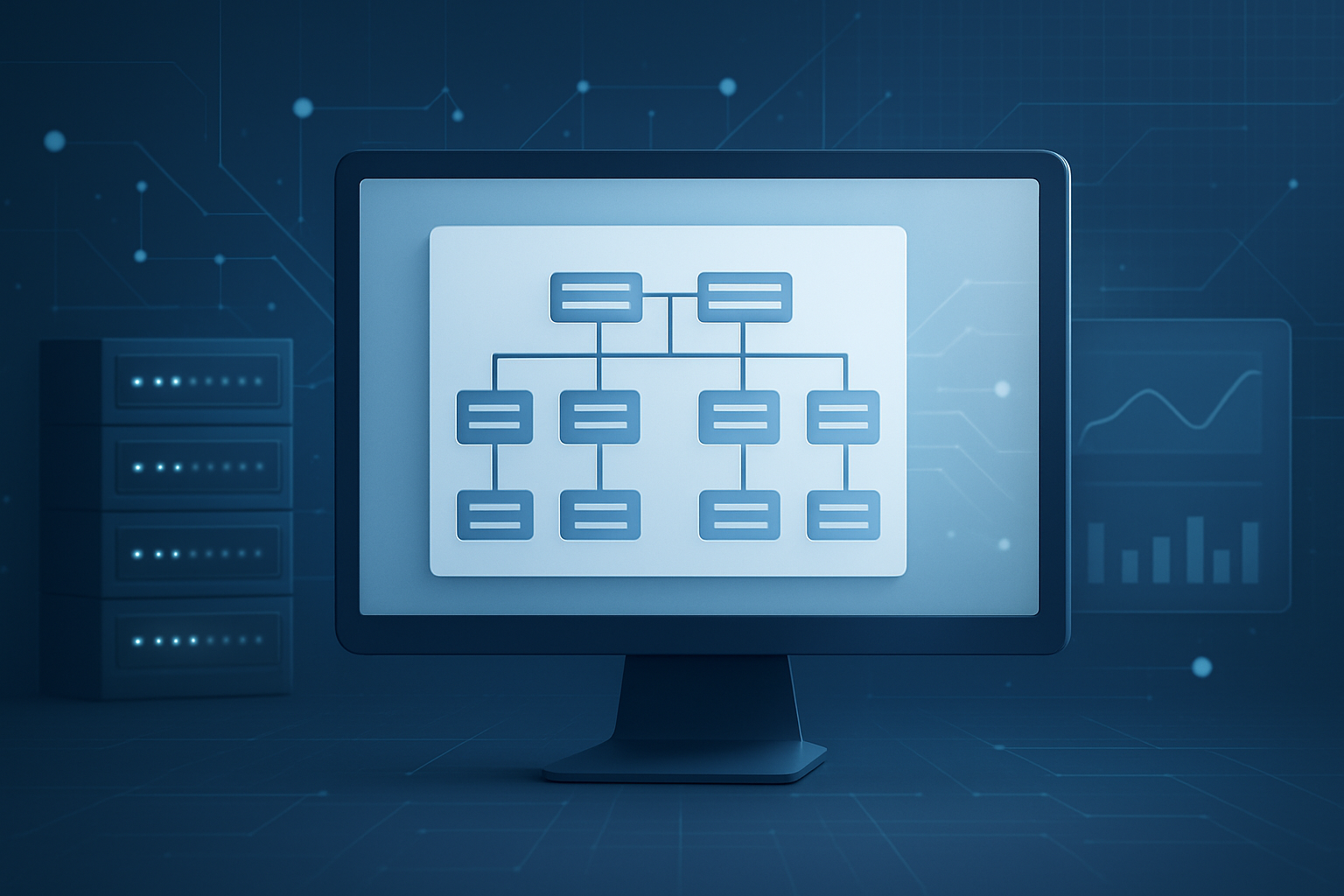
When material is broken down into clear visual formats—such as charts, diagrams, and flowcharts—it becomes easier to review and memorize. This not only improves understanding but also reduces the mental load when exams approach.
Use Summarized Sheets and Flashcards
Summarization is a key Pedirayudas method that is particularly useful during revisions. Rather than revisiting full chapters, students can rely on simplified note sheets that contain essential concepts and keywords. Flashcards with questions on one side and answers on the other also serve as an effective self-testing tool.
These tools work well in quick review sessions and help with last-minute revisions. They are compact, portable, and easy to carry, allowing students to make use of small time windows throughout the day, such as during commutes or breaks.
Practice with Diagrams and Step-By-Step Layouts
Many exams require the ability to explain processes or compare ideas. Pedirayudas techniques like diagrams and step-by-step formats train the brain to recall sequences and relationships. Practicing these formats in advance makes it easier to reproduce them during the actual exam.
For example, when preparing for a biology exam, creating a diagram of the digestive system with labeled parts and functions helps in remembering both structure and details. These visuals are not only helpful during preparation but can also be reproduced in the exam to improve presentation and clarity.
Simulate Exam Conditions
To manage anxiety effectively, simulate exam settings at home. Use a timer and answer sample questions or mock tests using your Pedirayudas notes. This gives a sense of how long it takes to complete each section and builds familiarity with time constraints.
Using visual or structured aids during practice helps reinforce the habit of recalling information through images and patterns. This mental link can reduce panic during the actual exam, as your brain already knows how to retrieve the data.
Stay Calm and Confident
Exam pressure often comes from fear of the unknown. Pedirayudas techniques minimize uncertainty by providing a sense of control. When students can see their preparation clearly laid out in charts, summaries, and visual cues, they gain confidence.
Deep breathing exercises before and during the exam can further calm nerves. Combine these with a review of well-prepared Pedirayudas materials to refresh the mind and feel assured.
Conclusion
Pedirayudas techniques are more than just study aids—they are tools for managing stress, improving focus, and building exam confidence. By preparing smartly and staying organized, students can turn exam pressure into a manageable and even empowering experience.