
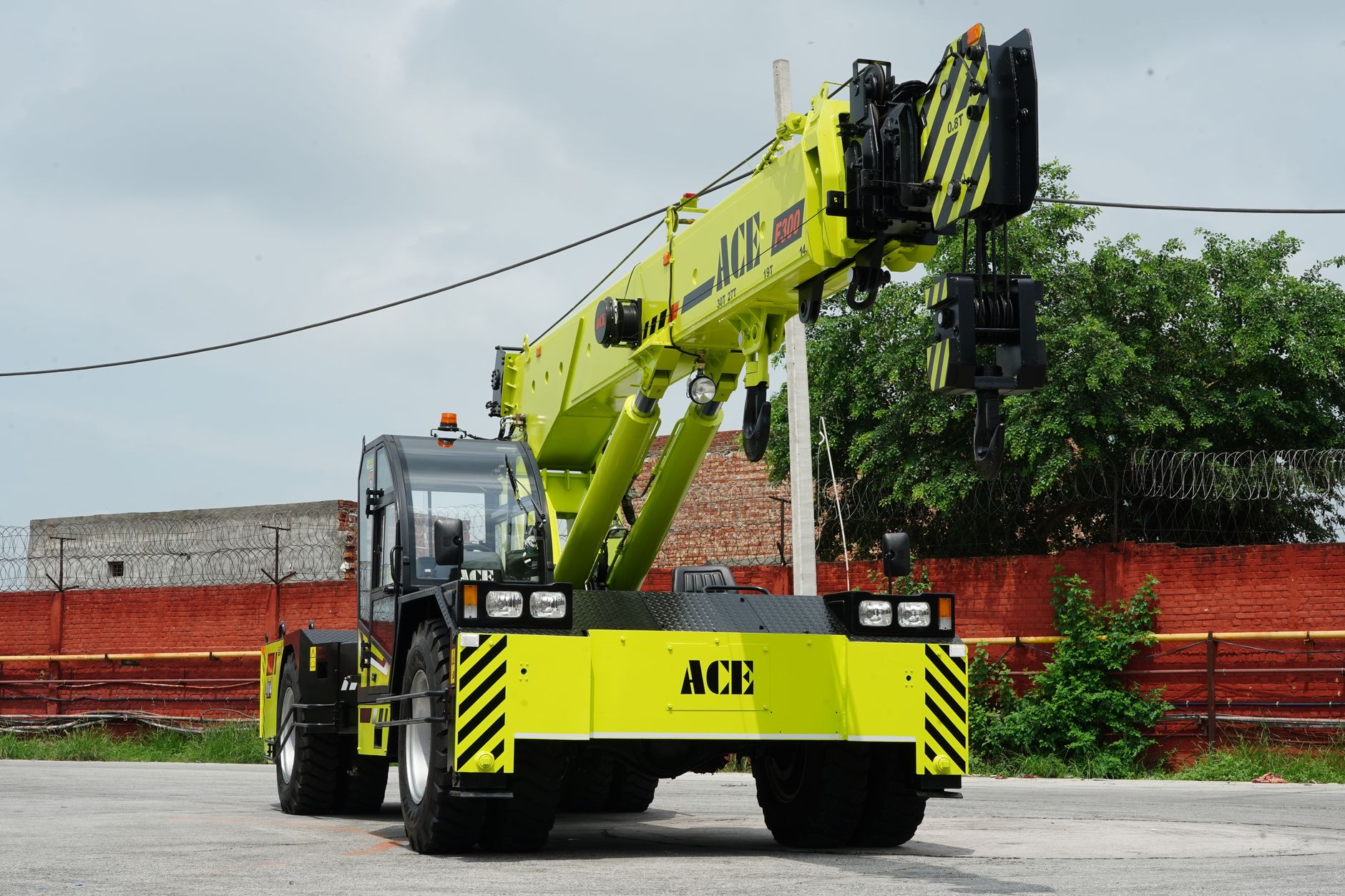
India manufacturing startup boom is reshaping the industry landscape as new policies and supply-chain shifts drive innovation and growth.
Understanding the India manufacturing landscape
The India manufacturing landscape is undergoing a significant transformation, driven by various factors that contribute to the rapid growth of the manufacturing startup boom. Recent shifts in global supply chains have encouraged businesses to explore new avenues, particularly in emerging markets like India. This shift is coupled with government initiatives aimed at enhancing the manufacturing sector.
Key elements shaping this landscape include:
- Policy Support: The Indian government has introduced several policies to boost manufacturing, such as the Production-Linked Incentive (PLI) scheme, which incentivizes companies to increase production.
- Technological Advancements: Startups are leveraging cutting-edge technologies, including automation and artificial intelligence, to streamline processes and improve efficiency.
- Investment Opportunities: A growing interest from venture capitalists in the manufacturing domain has led to increased funding for innovative startups.
These factors collectively contribute to the thriving India manufacturing startup boom, positioning the country as a competitive player in the global market.
Key factors driving the startup boom
The India manufacturing startup boom is significantly influenced by several key factors that are reshaping the industry landscape. These factors include:
- Supply Chain Resilience: The recent global disruptions have prompted startups to innovate in supply chain management, ensuring greater resilience and efficiency.
- Government Initiatives: Policies such as ‘Make in India’ and incentives for startups are providing a conducive environment for manufacturing ventures to flourish.
- Technological Advancements: The integration of cutting-edge technologies like AI, IoT, and automation is enhancing productivity and reducing costs for new manufacturing businesses.
- Investment Surge: Increased investment from both domestic and international investors is fueling the growth of promising startups in the manufacturing sector.
- Skilled Workforce: A large pool of skilled labor is available, enabling startups to hire talent that can drive innovation and efficiency.
These factors collectively contribute to the remarkable growth of the India manufacturing startup boom, positioning the country as a global manufacturing hub.
Government policies supporting new ventures
In recent years, the Indian government has introduced a range of policies aimed at fostering a conducive environment for new ventures, significantly contributing to the India manufacturing startup boom. These initiatives are designed to streamline processes and provide essential support to budding entrepreneurs.
Key government policies include:
- Make in India: Launched to promote manufacturing in India, this initiative encourages both domestic and foreign companies to invest and produce locally.
- Startup India: This program offers tax benefits, funding support, and a simplified regulatory framework to help startups thrive.
- Production-Linked Incentive (PLI) Scheme: This scheme incentivizes manufacturers in various sectors to boost production and create jobs.
- Skill India Mission: Aims to equip the workforce with necessary skills, ensuring a talent pool for manufacturing sectors.
These supportive measures have played a crucial role in stimulating innovation and attracting investment, further fueling the growth of manufacturing startups across the country.
Challenges faced by manufacturing startups
The India manufacturing startup boom is not without its challenges, which can hinder growth and sustainability. Many startups face the following obstacles:
- Access to Capital: Securing funding remains a significant hurdle, as many investors are cautious about backing new ventures in the manufacturing sector.
- Skilled Labor Shortage: There is a continuous demand for skilled labor, and startups often struggle to find qualified personnel to drive their operations.
- Supply Chain Disruptions: Unforeseen events, such as global supply chain disruptions, can severely impact production timelines and costs.
- Regulatory Compliance: Navigating the complex regulatory landscape can be daunting, especially for new companies unfamiliar with local laws and standards.
- Market Competition: With the growing interest in manufacturing startups, competition is intensifying, making it difficult for new entrants to establish a foothold.
Addressing these challenges is crucial for startups aiming to thrive in the rapidly evolving landscape of India’s manufacturing sector.
Success stories in India’s manufacturing sector
The surge in the India manufacturing startup boom has been exemplified by several success stories that highlight innovative approaches and resilience. These startups have not only transformed traditional manufacturing processes but also contributed significantly to the economy.
- Razorpay: This fintech company has streamlined payment solutions for manufacturers, helping them manage their cash flow more effectively.
- Carbon Clean Solutions: Specializing in carbon capture technology, this startup has enabled manufacturers to reduce their carbon footprint while enhancing productivity.
- Fractal Analytics: Leveraging data analytics, this company assists manufacturers in optimizing operations and predicting market trends, ultimately leading to better decision-making.
- Pixxel: This satellite imaging startup is revolutionizing agricultural manufacturing by providing farmers with real-time data, improving yield and sustainability.
These examples showcase how the India manufacturing startup boom is shaping the future of the sector, driven by innovation and a commitment to sustainability.
Future trends in manufacturing startups
The future of the India manufacturing startup boom looks promising as several emerging trends shape the landscape. First, the adoption of advanced technologies, such as artificial intelligence and automation, is expected to enhance production efficiency and reduce operational costs. Startups are increasingly integrating these technologies into their processes, allowing them to remain competitive in a global market.
Second, sustainability is becoming a core focus for new ventures. As consumers demand eco-friendly products, manufacturing startups are exploring sustainable practices and materials, which can lead to a unique selling proposition in an overcrowded marketplace.
Additionally, there is a noticeable shift towards localized supply chains. This trend not only reduces dependency on international suppliers but also supports local economies, fostering job creation and economic resilience.
Lastly, collaboration among startups, established companies, and research institutions is becoming more prevalent, driving innovation and knowledge sharing, which are crucial for long-term success in the manufacturing sector.
How to navigate the startup ecosystem
Navigating the startup ecosystem in India requires a combination of strategic insight and adaptability. The India manufacturing startup boom presents numerous opportunities, but also demands a keen understanding of market dynamics.
To successfully maneuver through this landscape, entrepreneurs should consider the following strategies:
- Build a strong network: Connecting with industry experts, mentors, and fellow entrepreneurs can provide valuable insights and support.
- Leverage technology: Embracing automation and digital tools can enhance efficiency and productivity in manufacturing processes.
- Focus on sustainability: Integrating sustainable practices can not only attract customers but also comply with increasing regulatory demands.
- Adapt to market needs: Staying attuned to changing consumer preferences and supply chain trends is crucial for long-term success.
- Seek investment strategically: Identifying the right investors who align with your vision can provide the necessary capital for growth.
By implementing these strategies, startups can position themselves effectively within the thriving manufacturing landscape of India.
Photo by Action Construction Equipment Ltd. – ACE on Pexels