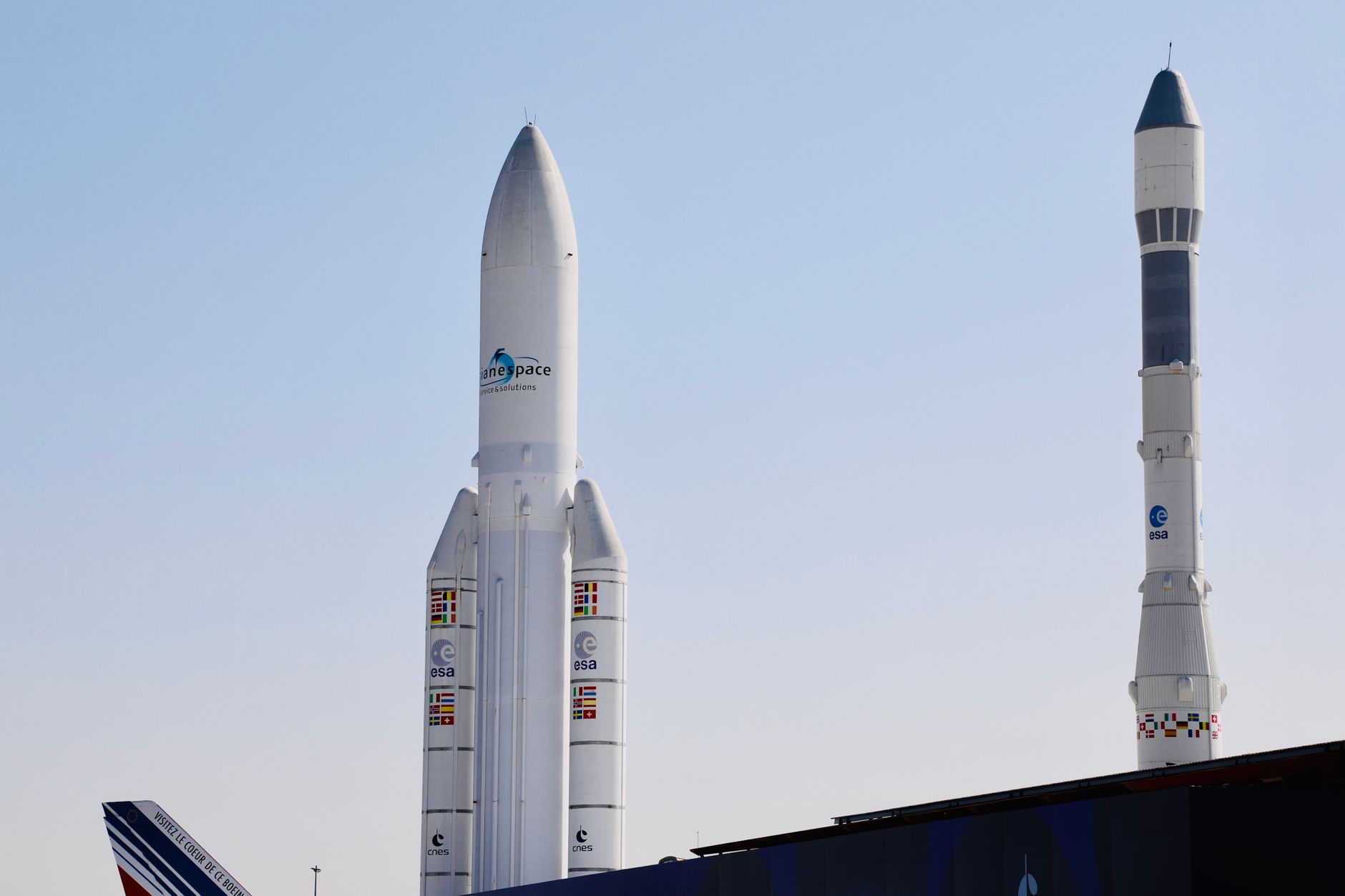
China satellite launch has successfully deployed nine satellites via sea, marking a significant step in expanding the Qianfan constellation.
Overview of the Qianfan Constellation
The recent launch of nine satellites marks a significant step in China’s efforts to expand its Qianfan Constellation. This initiative aims to enhance the country’s capabilities in various sectors, including telecommunications, Earth observation, and national security. The satellites were successfully deployed via a sea launch, showcasing China’s innovative approach to satellite deployment.
The Qianfan Constellation is designed to provide comprehensive coverage and advanced data services, contributing to China’s strategic objectives in space. The initiative reflects a growing trend where nations invest in satellite technology to gain a competitive edge in both military and civilian applications. As the China satellite launch program progresses, the Qianfan Constellation is expected to play a pivotal role in supporting economic growth and technological advancements.
- Enhanced telecommunications
- Improved Earth observation
- Strengthened national security
Details of the Sea Launch
The recent sea launch by China marked a significant step in the nation’s efforts to expand its Qianfan Constellation. This operation successfully deployed nine satellites into orbit, showcasing the country’s growing capabilities in satellite technology.
The launch took place on a specialized vessel, allowing for flexibility and efficiency in satellite deployment. The use of a sea launch platform is considered a strategic advantage, reducing risks associated with ground-based launches.
Key details of the mission include:
- Date of launch: October 15, 2023
- Type of satellites: Communication and Earth observation
- Launch location: International waters
This operation is a testament to China’s commitment to advancing its space exploration initiatives through innovative methods such as the sea launch, which enhances the overall potential for the country’s satellite deployment strategy.
Impact on Space Exploration
The recent China satellite launch has significant implications for the future of space exploration. By deploying nine satellites as part of the Qianfan Constellation, China is positioning itself as a key player in the rapidly evolving space sector. This strategic move enables enhanced communication and data collection capabilities, which are vital for scientific research and technological advancements.
Experts believe that this initiative will foster international collaboration in space missions, as more nations recognize the importance of shared data and resources. Additionally, the launch has sparked interest in developing new technologies that can support further exploration of outer space.
Key impacts include:
- Improved satellite communication systems
- Increased accuracy in Earth observation
- Enhanced potential for scientific discoveries
As such, China’s advancements in satellite technology could redefine the landscape of global space exploration.
Technological Innovations in Launching
The recent China satellite launch showcases significant advancements in technological innovations that are reshaping the landscape of space exploration. Key developments include:
- Reusable Rocket Technology: Enhancements in rocket designs are allowing for multiple launches without the need for complete refurbishment, reducing costs and increasing efficiency.
- Advanced Propulsion Systems: Innovations in propulsion are enabling faster and more reliable satellite deployments, enhancing overall mission success rates.
- Autonomous Launch Systems: Automation in launch processes minimizes human error and streamlines operations, making launches safer and more efficient.
- Satellite Miniaturization: Smaller and lighter satellites are being developed, allowing for more units to be launched at once, as seen in the recent deployment of nine satellites for the Qianfan Constellation.
These technological strides are instrumental to China’s strategy for expansion in space capabilities.
Future Plans for Satellite Deployment
As part of its ongoing efforts to enhance its capabilities in space, China has laid out ambitious future plans for satellite deployment. The successful launch of nine satellites via a sea launch has set a strong precedent for the expansion of the Qianfan Constellation. This initiative aims to bolster communication, earth observation, and navigation systems across the region.
Key aspects of the future deployment strategy include:
- Increased satellite numbers: Plans to deploy dozens of additional satellites in the next few years.
- Advanced technologies: Incorporating cutting-edge technology to improve efficiency and reliability in launches.
- International collaboration: Seeking partnerships with other countries to expand the reach and impact of satellite capabilities.
The focus on a robust satellite launch strategy not only enhances China’s technological prowess but also its global standing in space exploration.
Challenges in Satellite Launches
The recent China satellite launch highlights several challenges that remain in the field of space exploration. Despite the advancements in technology and strategic planning, obstacles persist that can hinder successful deployments.
- Weather Conditions: Unpredictable weather can delay launches and affect satellite performance.
- Technical Failures: Complex systems can experience malfunctions, leading to potential mission failures.
- Regulatory Hurdles: International regulations and clearances may slow down the launch process.
- Cost Constraints: Budget limitations can impact the scale and frequency of satellite launches.
To successfully navigate these challenges, China must continually innovate and adapt its strategies, ensuring that its ambitious goals for the Qianfan Constellation are met.
International Reactions to China’s Launch
International reactions to China’s satellite launch have been varied, reflecting a mix of caution and intrigue. Many countries have acknowledged the strategic implications of expanding the Qianfan Constellation, viewing it as both an opportunity and a challenge in the realm of global space competition.
Key responses include:
- United States: Officials expressed concern over China’s growing capabilities in space and the potential military applications of these satellites.
- European Union: Some member states welcomed the advancements, emphasizing the need for cooperation in space governance.
- Russia: Noting the launch as a significant achievement, Russia reiterated its commitment to expanding its own satellite network.
- India: Experts highlighted the importance of staying competitive in space technology.
Overall, the international community remains watchful as China continues to pursue its ambitious space agenda through launches like the recent satellite initiative.
Conclusion and Implications for Space Policy
In conclusion, China’s recent satellite launch has significant implications for its space policy and global positioning in the realm of space exploration. The successful deployment of the Qianfan Constellation highlights the nation’s commitment to expanding its capabilities and fostering technological advancements. This launch not only strengthens China’s satellite network but also enhances its strategic influence in the international arena.
As countries observe and respond to China’s advancements, it is crucial for policymakers to consider the broader ramifications of such developments. The integration of innovative technologies and collaborative efforts may reshape the future of space exploration.
Moving forward, international cooperation and dialogue will be essential to address the challenges and opportunities presented by China’s satellite launch, ensuring that the benefits of space exploration are shared globally.
The recent China satellite launch has underscored the nation’s commitment to expanding its capabilities in space exploration. Analysts suggest that the China satellite launch strategy is a critical component of China’s broader technological ambitions.
Photo by Léa Claisse on Pexels