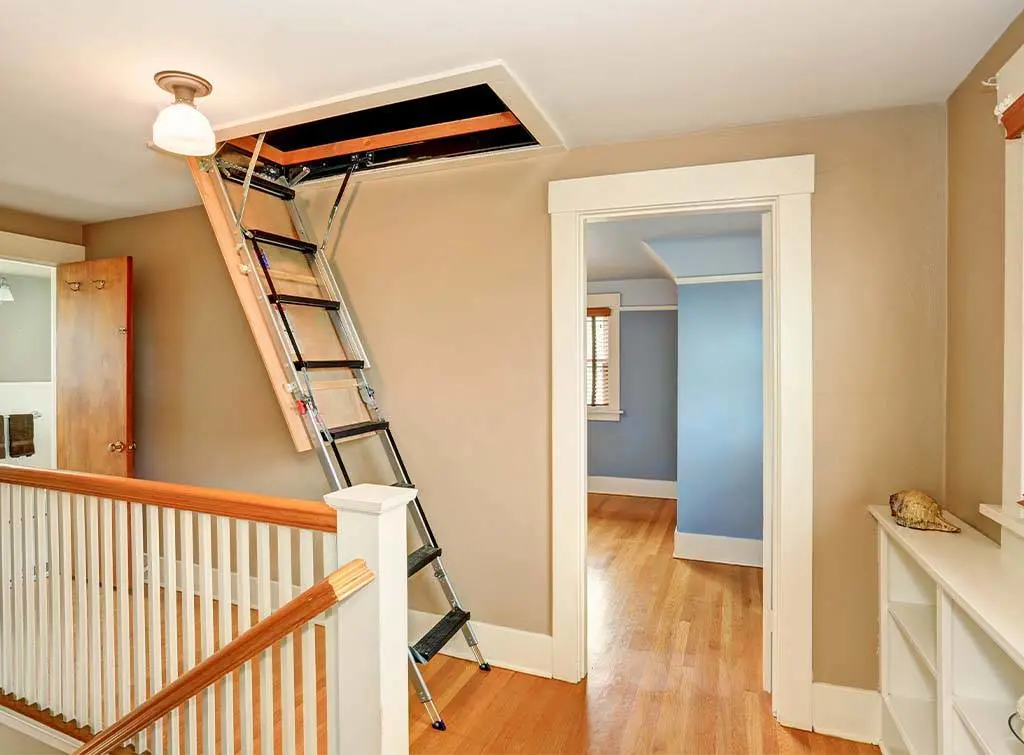
Home improvement trends continue to evolve as homeowners prioritize space optimization, safety, and aesthetic value. Among various access solutions for attic and storage spaces, one of the most reliable and timeless choices is the wooden loft ladder due to its strong structural performance, natural finish, and long-term usability in residential environments. Modern households are increasingly investing in smarter storage access systems that enhance convenience without compromising interior design harmony. Industry observations suggest that over 55% of renovated homes now incorporate upgraded loft access solutions, highlighting a clear shift toward functional living improvements. This article explores why this option is becoming a preferred choice, its key benefits, safety considerations, durability factors, and practical maintenance insights for long-term use.
Why is a wooden loft ladder preferred in modern homes?
A major reason homeowners choose wooden designs is the natural balance between strength and visual appeal. Wood blends seamlessly with most interior styles, from traditional to contemporary, making it a flexible option. In addition, surveys in home renovation markets indicate that nearly 70% of homeowners prefer natural materials when upgrading interior access systems due to their warmth and eco-friendly perception. Wooden ladders also offer excellent customization options, allowing adjustments in height, width, and folding mechanisms based on ceiling structure. Unlike synthetic alternatives, wood provides a more stable and solid feel, which increases user confidence during daily use. This combination of aesthetics and practicality makes it a widely trusted solution for attic access.
How safe are wooden loft ladders?
Safety is a primary concern for any elevated access system, and wooden designs are known for their dependable performance. Most models are engineered to support significant weight loads, often ranging between 100 kg and 150 kg depending on build quality and installation method. The naturally firm grip of wood reduces slipping risks, especially when steps are properly finished and maintained. Many homeowners also appreciate the wider step design commonly found in wooden structures, which improves balance and reduces strain during climbing. Industry feedback suggests that well-installed loft ladders can reduce attic access accidents by up to 40% compared to makeshift solutions, making them a safer long-term investment for households.
What are the durability advantages?
Durability is another strong advantage of wooden loft access systems. High-quality hardwood or treated softwood can last anywhere between 10 to 20 years with proper maintenance. Wood is naturally resistant to everyday wear when sealed correctly, and it can withstand frequent usage without losing structural integrity. Unlike metal alternatives that may corrode over time, wood maintains its form and strength in stable indoor conditions. Additionally, minor damages can often be repaired easily through sanding or refinishing rather than full replacement. This long service life makes it a cost-effective option for homeowners who want reliability without frequent upgrades or replacements.
Do wooden loft ladders enhance home value?
From a property value perspective, adding a well-designed loft access system can significantly improve functional space utilization. Real estate insights suggest that homes with organized attic access tend to attract more buyer interest due to improved storage capability. A properly installed ladder enhances the usability of otherwise unused attic areas, effectively increasing the perceived living space. This is especially valuable in compact homes where storage efficiency plays a crucial role in buyer decisions. In many cases, such upgrades contribute to better resale appeal by showcasing thoughtful interior planning and practical design improvements.
Maintenance and care tips
Maintaining a wooden loft system is relatively simple but essential for long-term performance. Regular inspection for loose screws, joint stability, and surface condition helps ensure safe usage. Light sanding and refinishing every few years can preserve the natural finish and prevent surface wear. It is also advisable to keep the ladder dry and avoid prolonged exposure to moisture, as this can affect structural integrity over time. Lubricating moving parts in folding models ensures smooth operation and reduces mechanical strain. With consistent care, homeowners can extend the lifespan of their installation while maintaining both safety and appearance.
In conclusion, choosing a loft access solution made from wood offers a balanced combination of safety, durability, and aesthetic value. Its long-term benefits, combined with ease of maintenance and strong user reliability, make it a practical investment for modern homes focused on efficient space utilization and design harmony.