
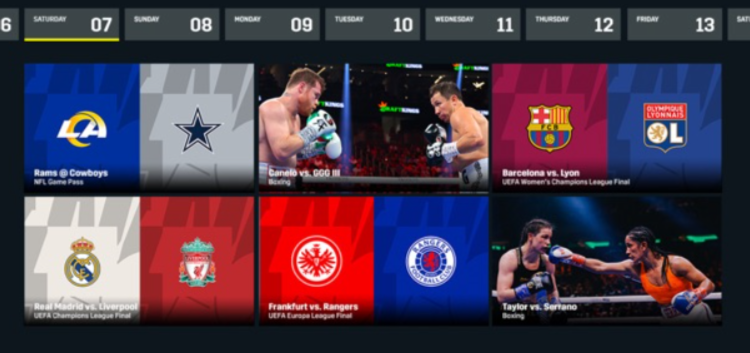
The landscape of Sports Broadcasting (스포츠중계) is changing rapidly, thanks to the integration of innovative technologies that enhance how fans experience live sports. Gone are the days when watching a game was simply a passive activity. With new interactive features being introduced by broadcasters, sports enthusiasts now have the ability to engage with content like never before. These advancements are creating richer, more personalized viewing experiences, and shaping the future of how sports are consumed globally.
What are the interactive features that are transforming sports broadcasting?
Interactive features in sports broadcasting are designed to provide fans with more control over how they watch and engage with sports content. These features include real-time statistics, player tracking, and customizable viewing options, all of which allow viewers to choose the level of detail they wish to experience. For example, fans can opt to follow their favorite players during a live game, track individual performance metrics, or even select from different camera angles to watch the action from multiple perspectives.
These interactive features elevate the fan experience by providing more depth and insight into the game. Fans are no longer just spectators; they can interact with the content, enhancing their understanding of the game and becoming more deeply involved in the experience. By offering these customizable options, broadcasters are tapping into a new wave of sports fans who are seeking more control and personalization in their viewing experience.
How does real-time data enhance the viewing experience?
The inclusion of real-time data analytics has brought a significant improvement to Sports Broadcasting. With real-time performance statistics, fans can monitor every aspect of a game as it unfolds. Whether it’s player speed, shot accuracy, or team strategy, fans now have access to insights that were once only available to coaches or analysts. This allows them to dive deeper into the game’s dynamics, making it easier to understand why certain plays are successful or how individual players are performing.
In addition to player statistics, broadcasters are incorporating predictive analytics that show possible outcomes of plays based on previous patterns. This data gives viewers a more detailed understanding of the game’s progress and allows them to make informed predictions about what might happen next. This ability to track and analyze real-time data adds an exciting layer of engagement for fans, providing them with a deeper connection to the action on the screen.
What role does social media play in the future of sports broadcasting?
Social media is playing an increasingly significant role in shaping the future of sports broadcasting. With platforms like Twitter, Instagram, and Facebook, fans are able to engage in real-time conversations about the game, share highlights, and interact with players and teams directly. Social media allows fans to be part of a larger community, creating a more immersive and interactive viewing experience.
Moreover, broadcasters are leveraging social media to supplement their live broadcasts with exclusive content such as behind-the-scenes footage, interviews, and live commentary. This additional content enhances the overall fan experience and offers more value beyond just the game itself. It fosters a deeper connection between fans and their favorite teams and athletes, turning the broadcast into a dynamic, two-way conversation rather than a one-sided viewing event.
How is augmented reality (AR) enhancing live sports coverage?
Augmented reality (AR) is one of the most exciting innovations in Sports Broadcasting today. AR overlays digital content onto the live broadcast, offering a more immersive experience for viewers. For example, during a football game, AR can display player stats, team formations, or tactical information directly on the screen as the game unfolds. This extra layer of data enhances the viewing experience, allowing fans to access important information without disrupting the flow of the game.
AR can also be used to highlight key moments in the game, such as goals, assists, or crucial plays. By integrating AR technology into broadcasts, sports broadcasters can provide a more interactive and informative experience that keeps fans engaged throughout the entire game.
What is the role of virtual reality (VR) in future sports broadcasting?
Virtual reality (VR) is another technology that is poised to revolutionize sports broadcasting. VR allows fans to immerse themselves in live sports events by providing a fully interactive, 360-degree experience. With VR headsets, viewers can feel as though they are physically present at the event, choosing their preferred viewing angle and even interacting with other virtual spectators. This immersive experience creates a level of engagement that traditional broadcasts simply can’t match.
The potential of VR is vast, with possibilities including virtual “front-row” experiences, where fans can feel like they are sitting courtside at a basketball game or on the field during a football match. As VR technology continues to improve, it could become a mainstream way for fans to experience live sports in a way that makes them feel as though they are truly part of the action.
What does the future hold for interactive sports broadcasting?
The future of Sports Broadcasting is undoubtedly interactive and personalized. As technology continues to evolve, we can expect even more advanced features that allow fans to control how they experience live sports. Innovations in AR, VR, and real-time data analytics will continue to shape how content is delivered, creating more immersive, dynamic, and interactive experiences for fans.
Furthermore, the rise of interactive sports broadcasting may lead to new revenue streams for broadcasters, as they can offer fans premium services such as enhanced data access, additional camera angles, and exclusive content. As sports broadcasters continue to embrace technology, fans will have more opportunities than ever before to shape their viewing experience, making the future of sports content an exciting and innovative space.

