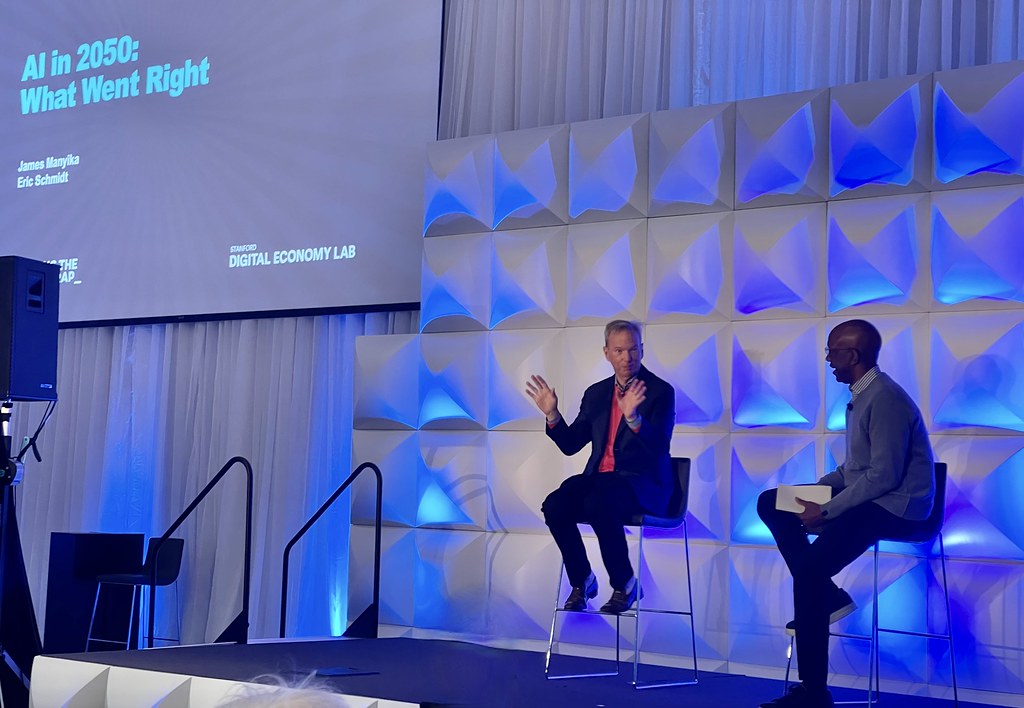
Washington approve AI models is a pressing concern among industry leaders. Recent comments from experts suggest that oversight is crucial to ensure responsible innovation in artificial intelligence.
The Importance of Oversight in AI
The rapid advancement of artificial intelligence has sparked a heated debate about the necessity of regulation and oversight. With Washington’s recent decision to approve AI models, many experts are voicing concerns regarding the implications of such actions. Oversight in AI is crucial for several reasons.
- Ethical Concerns: AI has the potential to make decisions that significantly impact people’s lives. Without proper oversight, there is a risk of biases being embedded in algorithms, leading to unfair outcomes.
- Transparency: Ensuring that AI models are developed and deployed transparently is essential. Stakeholders need to understand how these models work and the data behind them to trust their outcomes.
- Accountability: As AI systems become more autonomous, establishing clear accountability for their actions becomes vital. Oversight can help delineate responsibilities and address issues when things go wrong.
- Innovation vs. Regulation: While Washington’s approval of AI models may encourage innovation, it is imperative that this does not come at the cost of public safety and ethical standards.
In conclusion, as Washington approves AI models, the importance of a robust oversight framework cannot be overstated. Striking a balance between fostering innovation and ensuring accountability will be key to navigating the future landscape of artificial intelligence.
What Experts Say About AI Models
Experts in the field of artificial intelligence have mixed feelings about the recent decision to have Washington approve AI models. While some believe that oversight is necessary to ensure safety and ethical use, others caution against overregulation that could stifle innovation.
Dr. Jane Thompson, a leading AI researcher, argues that regulatory frameworks are essential. She states, “Without proper oversight, there is a risk of deploying models that can cause harm or perpetuate bias.” Her perspective underscores the need for careful evaluation of AI technologies before they are widely adopted.
Conversely, Dr. Mike Ellis, a tech entrepreneur, warns against the implications of having Washington approve AI models. He emphasizes, “Bureaucratic delays could hinder progress and prevent startups from bringing beneficial innovations to market.” This sentiment reflects a concern that excessive regulation may lead to a stifling environment for technological advancement.
Moreover, Professor Linda Carter highlights the importance of collaborative efforts. She suggests, “Involving various stakeholders, including technologists, ethicists, and policymakers, can lead to more balanced regulations.” Experts agree that a multi-faceted approach could help address both safety and innovation.
As Washington moves forward with its approval process, the ongoing debate among experts highlights the complexities of regulating AI in a rapidly evolving landscape.
Washington’s Role in AI Development
Washington has emerged as a pivotal player in the regulation and development of artificial intelligence. Recent discussions have centered around the implications of the state’s decision to approve AI models, a move that has sparked both support and criticism. Advocates argue that regulatory oversight is essential for responsible AI deployment, emphasizing the need for guidelines that ensure safety and ethical standards.
However, critics caution against the potential pitfalls of allowing Washington to approve AI models without comprehensive understanding and expertise in the field. They argue that a one-size-fits-all approach may stifle innovation and slow progress in a rapidly evolving sector. As AI technologies become increasingly sophisticated, the risks associated with inadequate regulation grow, making it imperative for lawmakers to stay informed about the implications of their decisions.
Some key points in this ongoing debate include:
- Innovation vs. Regulation: Finding the balance between encouraging technological advancement and ensuring public safety.
- Expert Involvement: The need for policymakers to collaborate with AI professionals to develop effective regulations.
- Long-term Impacts: Considering how current regulatory decisions will shape the future of AI development.
As Washington navigates this complex landscape, its role in AI development will likely influence the direction of the industry for years to come.
Potential Risks of Unchecked AI Models
The recent decision by Washington to approve AI models has sparked a heated debate about the potential risks associated with unchecked artificial intelligence. While the advancement of AI technology offers numerous benefits, the lack of stringent oversight could lead to significant challenges.
One major concern is the possibility of biased algorithms. If AI models are trained on flawed data, they may perpetuate existing inequalities and discrimination. This can manifest in various sectors, including hiring practices, law enforcement, and healthcare, where decisions made by AI could adversely affect marginalized groups.
Moreover, there is the risk of privacy violations. AI systems often require vast amounts of data to function effectively, raising questions about how that data is collected, stored, and used. Without clear regulations in place, individuals may find their information exploited without consent, leading to a loss of trust in these technologies.
Another critical issue is the potential for misuse. Malicious actors could leverage approved AI models for harmful purposes, such as creating deepfakes or automating cyberattacks. The consequences of such actions could be devastating, affecting not only individuals but also national security.
In conclusion, while Washington’s move to approve AI models may pave the way for innovation, it is essential to consider the risks involved. A balanced approach that prioritizes safety and ethics is necessary to ensure that the benefits of AI do not come at an unacceptable cost.
As the debate intensifies, many experts argue that Washington approve AI models without comprehensive regulations could lead to unforeseen consequences. Others believe that Washington approve AI models is a necessary step to foster innovation in the technology sector.