
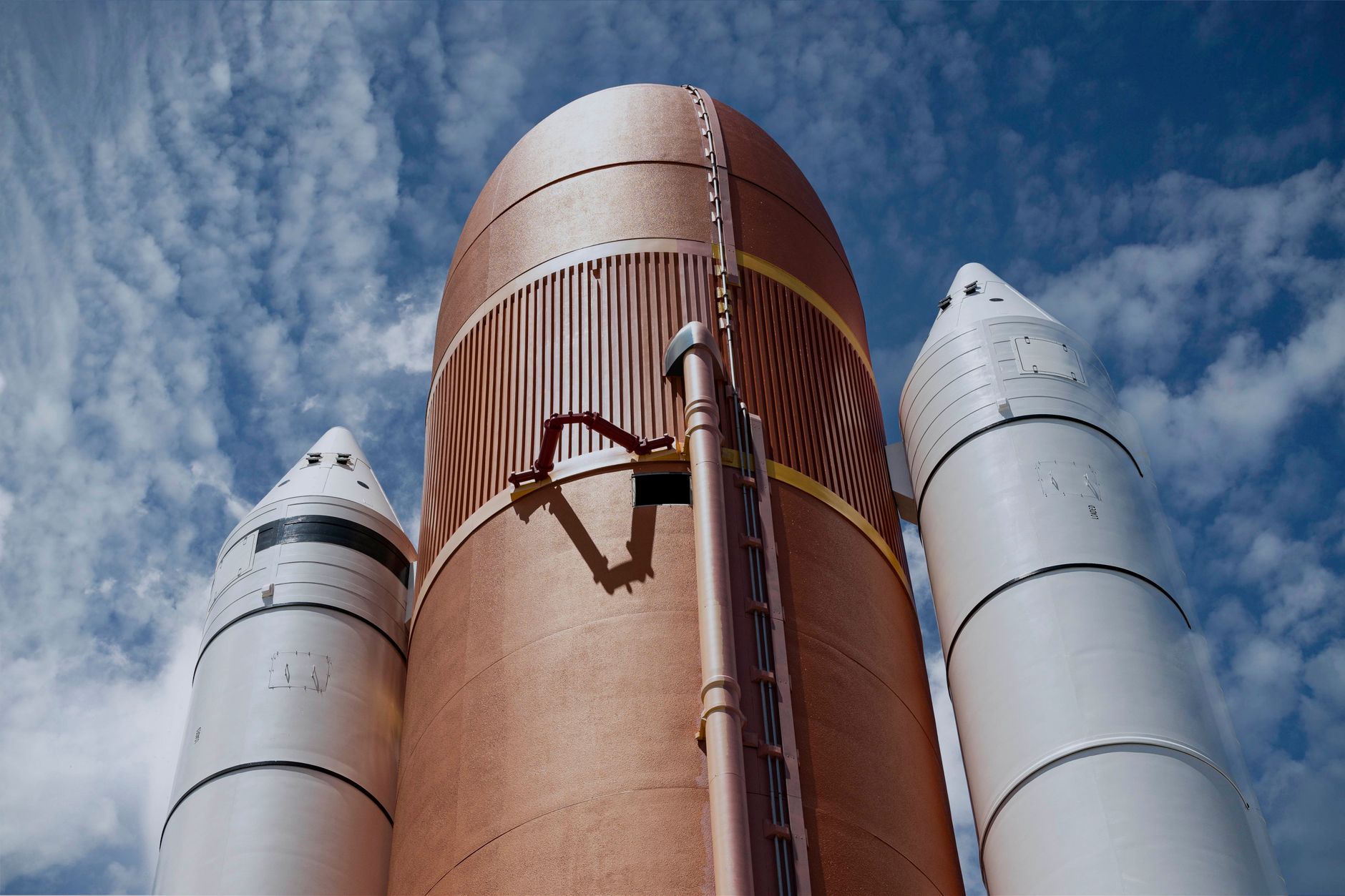
Rocket Lab 100th mission showcases the company’s commitment to advancing space technology. The recent launch of the Electron rocket successfully delivered an Earth-observing satellite into orbit, marking a major achievement for the company.
Overview of Rocket Lab’s 100th Mission
Rocket Lab has achieved a significant milestone with the successful launch of its 100th mission, demonstrating its continued growth in the space industry. This landmark mission involved the launch of an Earth-observing satellite aboard the Electron rocket, further showcasing the company’s capabilities in delivering payloads to orbit.
The launch took place from Rocket Lab’s facility in New Zealand, where the Electron rocket lifted off efficiently, marking a major achievement for the company. This mission not only highlights Rocket Lab’s technical expertise but also its commitment to providing reliable and cost-effective launch services for small satellites.
Since its inception, Rocket Lab has focused on enhancing access to space for a variety of customers, including government agencies, commercial entities, and research organizations. The 100th mission underscores the company’s dedication to innovation and operational excellence in the rapidly evolving space market.
Looking ahead, Rocket Lab plans to expand its offerings and continue supporting the growing demand for satellite launches. With this milestone, the company has solidified its position as a key player in the aerospace sector, paving the way for future endeavors and reinforcing its reputation as a trusted launch provider.
- Launch from New Zealand
- Earth-observing satellite payload
- Commitment to reliability and innovation
The Significance of Earth-Observing Satellites
The significance of Earth-observing satellites cannot be overstated, particularly in the context of Rocket Lab’s 100th mission. These satellites play a critical role in monitoring our planet, providing valuable data for various applications such as climate research, disaster management, and urban planning.
Earth-observing satellites are equipped with advanced sensors and imaging technology that enable them to collect data on everything from land use changes to atmospheric conditions. This information is essential for scientists, governments, and organizations that aim to make informed decisions regarding environmental sustainability and resource management.
With Rocket Lab achieving its 100th mission, the company has solidified its position as a key player in the small satellite launch market. The successful deployment of these satellites not only demonstrates the reliability of the Electron rocket but also underscores the increasing demand for Earth-observing capabilities.
As global challenges such as climate change and natural disasters continue to escalate, the importance of Earth-observing satellites will only grow. By providing timely and accurate data, these satellites contribute to understanding our planet and enhancing our ability to respond to urgent issues.
- Climate Research: Satellites help track climate changes and their impacts.
- Disaster Management: They provide critical data during natural disasters.
- Urban Planning: Satellite data aids in sustainable development efforts.
Challenges Faced During the Launch
Despite the success of Rocket Lab’s 100th mission, several challenges emerged during the launch process. These hurdles are a reminder of the complexities involved in space exploration and satellite deployment.
- Weather Conditions: The launch faced potential delays due to adverse weather conditions, a common challenge in the aerospace industry. High winds and cloud cover threatened to postpone the mission until favorable conditions were established.
- Technical Glitches: On the day of the launch, minor technical issues arose with the Electron rocket’s systems. Engineers worked meticulously to troubleshoot and ensure all systems were functioning optimally before liftoff.
- Coordination Efforts: Managing the logistics of a 100th mission involved extensive coordination among various teams. From ground support to mission control, seamless communication was essential to navigate the complexities of the launch.
- Payload Considerations: The Earth-observing satellite carried on the Electron rocket required precise calibration to ensure it would operate effectively in its designated orbit. Any miscalibration could lead to mission failure.
In overcoming these challenges, Rocket Lab demonstrated resilience and expertise, further solidifying its reputation in the aerospace sector as it celebrated the milestone of its 100th mission.
Future Plans for Rocket Lab
As Rocket Lab celebrates its 100th mission, the company is already setting its sights on future endeavors that promise to expand its capabilities and offerings in the aerospace industry. With a proven track record of successful launches, Rocket Lab aims to enhance its position in the growing market for satellite deployment and space exploration.
The company plans to introduce new launch vehicles that will accommodate a wider range of payloads. This includes the development of the Neutron rocket, which is designed for heavier payloads and aims to compete with larger launch providers. By offering more versatile options, Rocket Lab hopes to attract a broader clientele, including government agencies and commercial enterprises.
In addition to expanding its launch capabilities, Rocket Lab is focusing on improving its ground systems and technology. The aim is to streamline the launch process and reduce costs, making space more accessible to smaller organizations and startups. The integration of advanced manufacturing techniques and automation into their operations is expected to further enhance efficiency.
Furthermore, Rocket Lab is exploring partnerships with other companies and research institutions to foster innovation and collaboration in the space sector. These initiatives not only pave the way for future missions but also reinforce Rocket Lab’s commitment to maintaining its status as a leader in the aerospace industry.
Innovations in Space Technology
As Rocket Lab celebrates its 100th mission, the company continues to innovate in space technology, pushing the boundaries of what is possible in the aerospace industry. The recent launch of the Electron rocket featured significant advancements that enhance both the efficiency and reliability of satellite deployments.
One of the key innovations is the improved recovery system for the Electron rocket, which allows for the reuse of rocket components. This not only reduces costs but also minimizes waste, aligning with global sustainability goals. The ability to recover and refurbish rocket boosters after launch is a game changer for the industry.
Additionally, Rocket Lab has integrated advanced telemetry and tracking systems into its launch operations. These systems provide real-time data analysis, improving mission planning and execution. The ability to monitor flight dynamics and spacecraft health during ascent is a crucial step in ensuring the success of future missions.
Moreover, Rocket Lab is pioneering the use of new propulsion technologies that enhance payload capacity and mission flexibility. By developing engines that can adapt to various mission profiles, the company is positioning itself as a leader in the evolving landscape of space exploration.
As Rocket Lab reaches its 100th mission milestone, the focus on innovation solidifies its reputation as a reliable launch provider, ready to meet the growing demands of the satellite market.
The Rocket Lab 100th mission marks a significant milestone in the company’s journey to make space more accessible. With this achievement, Rocket Lab 100th mission showcases their commitment to innovation and reliability in the competitive launch industry.
Photo by john mckenna on Pexels