
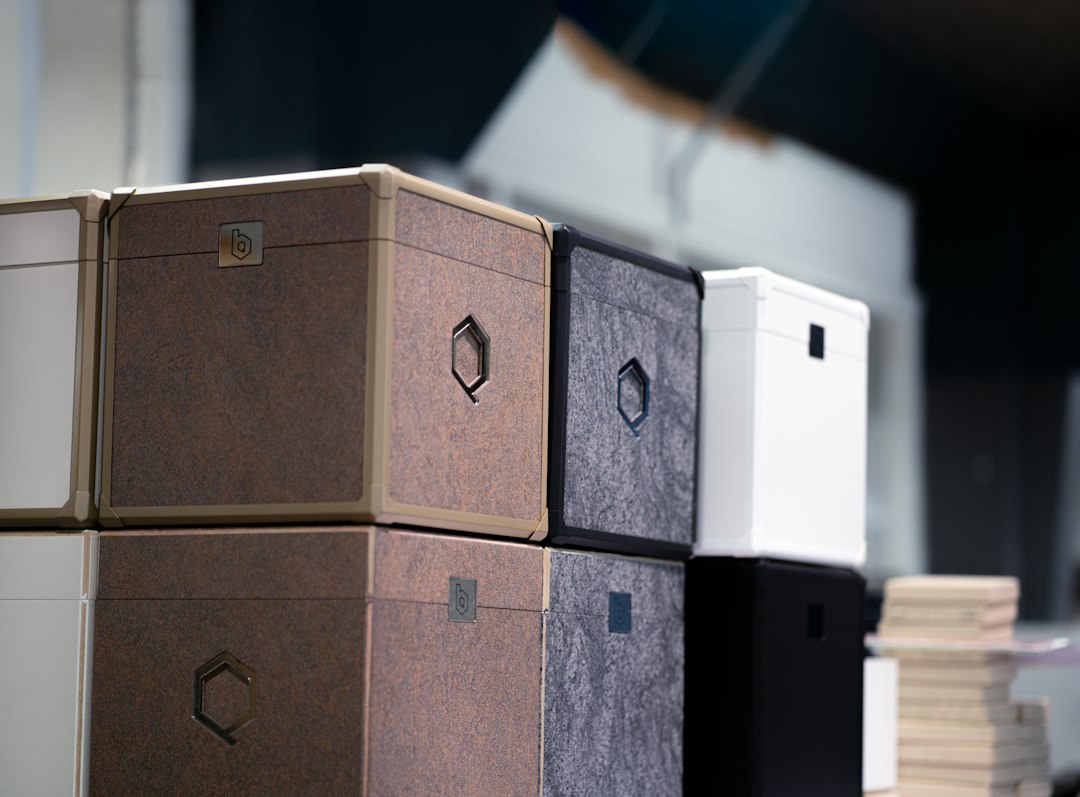
Travel often involves carrying items that are personally important, financially valuable, or difficult to replace. Jewelry, watches, important documents, collectibles, family keepsakes, and other valuables may need a secure place when they are not being carried. For frequent travelers and people preparing for extended trips, private storage can provide a practical solution for keeping selected possessions organized and protected while they are away, creating greater confidence throughout the travel period.
What’s Covered
- Travel Changes the Way Valuables Are Managed
- Valuable Items Can Stay Separate From Travel Baggage
- Frequent Travelers Benefit From a Consistent Storage Routine
- Important Documents Can Be Managed Separately
- Jewelry and Watches Can Remain Properly Organized
- Collectibles Can Stay in Their Established Environment
- Long Trips Call for Better Planning
- Storage Can Support International Travel Preparation
- A Personal Inventory Makes Travel Preparation Easier
- Returning Home Becomes More Organized
- Privacy Adds Convenience to Travel Planning
- Building a Reliable Long-Term Storage Strategy
- Conclusion
Travel Changes the Way Valuables Are Managed
Preparing for a journey usually involves deciding what to take and what to leave behind. Not every valuable possession needs to travel with its owner. Some items are better kept in a dedicated secure location until the trip is complete.
This creates a useful distinction between travel essentials and long-term possessions. Travelers can keep frequently needed items with them while placing selected valuables into secure storage. The result is a lighter, more organized approach to travel preparation.
Valuable Items Can Stay Separate From Travel Baggage
Suitcases are designed for mobility, not long-term storage. Keeping unnecessary valuables in luggage can make travel arrangements more complicated.
A dedicated storage solution gives travelers an alternative. Jewelry that will not be worn, collectible pieces, important records, and other possessions can remain in an established location rather than being transported unnecessarily. This can simplify packing while allowing travelers to focus on the items they actually need during their journey.
Frequent Travelers Benefit From a Consistent Storage Routine
People who travel regularly can benefit from having a predictable system for managing their possessions. Instead of deciding where valuables should be placed before every trip, travelers can maintain a dedicated storage arrangement throughout the year.
This consistency can save preparation time. It also makes it easier to remember where important items are kept when returning from a journey. A reliable routine turns storage into a standard part of travel planning rather than a last-minute task.
Important Documents Can Be Managed Separately
Travelers may own original documents that are valuable but do not need to accompany them on every trip. Examples can include property records, certificates, selected legal papers, family documents, and other long-term records.
A secure storage location can provide a dedicated home for these materials. Digital copies can be maintained separately for convenient reference, while important originals remain stored carefully.
This approach can create a practical balance between accessibility and preservation.
Jewelry and Watches Can Remain Properly Organized
Travelers who own valuable jewelry or watches may prefer not to carry every piece on every journey. Individual storage cases, pouches, or compartments can help keep items separated and organized.
Maintaining photographs and descriptions of valuable pieces can add another layer of organization. Travelers can update their inventory when items are moved between storage and personal use, keeping records aligned with their current collection.
Collectibles Can Stay in Their Established Environment
Collectors often spend years building collections of coins, memorabilia, artwork, or other valuable objects. Transporting these items simply because their owner is traveling may be unnecessary.
Keeping selected collectibles in a dedicated storage environment allows the collection to remain in one place while the owner travels. An updated inventory can provide a convenient overview of the collection without requiring physical access to every piece.
Long Trips Call for Better Planning
Extended travel can make storage decisions especially important. A trip lasting several weeks or months creates a longer period during which valuable possessions may remain unattended at home.
Travelers can prepare by identifying items that will not be needed and arranging them in a dedicated secure location before departure. This can create a more organized home environment while giving owners greater confidence during their time away.
Storage Can Support International Travel Preparation
International travel often requires additional planning. Passports and other travel documents must remain accessible, while unrelated personal records may be better kept securely at home or in dedicated storage.
Separating travel documents from long-term valuables can make preparation more efficient. Travelers can maintain a specific group of documents for the journey while leaving other sensitive materials safely organized elsewhere.
A Personal Inventory Makes Travel Preparation Easier
An inventory can be particularly useful before leaving home. Travelers can record which valuables are being taken, which are being stored, and where important documents are located.
Photographs can provide an additional visual reference. For collections, a detailed catalogue can also make it easier to confirm that individual pieces remain properly accounted for.
This type of organization can reduce unnecessary searching and make both departure and return more efficient.
Returning Home Becomes More Organized
Secure storage can also simplify the post-travel routine. After returning, travelers can decide which valuables need to be retrieved and which can remain stored.
A consistent system prevents possessions from being temporarily placed in random locations around the home. Items can return to their established storage arrangement, maintaining the same organization used before the trip.
Privacy Adds Convenience to Travel Planning
Travelers may prefer to keep information about valuable possessions private. A dedicated storage arrangement can help separate valuable belongings from the visible routines of everyday life.
This can be especially convenient for individuals who travel frequently, maintain valuable collections, or simply prefer a more organized approach to personal asset management.
Building a Reliable Long-Term Storage Strategy
The most effective travel storage approach is one that works throughout the year, not only immediately before a trip. Travelers can maintain accurate inventories, organize possessions by category, review stored items periodically, and update records whenever circumstances change.
This creates a repeatable system that adapts to different travel schedules. Whether preparing for a weekend away, an extended vacation, or frequent business journeys, having an established storage routine can make valuable-item management considerably more straightforward.
Conclusion
Travel becomes easier when valuable possessions are managed with a clear plan. Dedicated private storage can give travelers a practical place for jewelry, watches, collectibles, important documents, and other belongings that do not need to accompany them. Through consistent organization, detailed inventories, suitable protective storage, and thoughtful preparation before departure, travelers can maintain better control of their valuables while enjoying greater convenience and confidence throughout their journeys.
What You Need to Know
- Traveling often requires a practical solution for securing important personal items, leading to the use of private storage options.
- Dedicated storage can simplify packing by allowing travelers to leave behind unnecessary valuables and focus on essentials.
- Frequent travelers can benefit from maintaining a consistent storage routine that streamlines preparation and organization.
- Important documents, such as property records and legal papers, can be securely stored and managed separately from travel baggage.
- Organizing jewelry and watches in individual cases enhances their management while reducing the need to transport every piece during trips.
- Collectors can preserve the integrity of their collections by keeping items in established environments instead of transporting them while traveling.
